ABOUT THE LAB
Core crustacean science
Wherever the tide takes us
The sea is one of the noisiest environments on the planet.
We study how animals make sense of it.
The Crab Lab is a virtual research centre — an independent eLab — built around a single driving question: how do animals gather, filter, and act on information in complex, noisy environments?
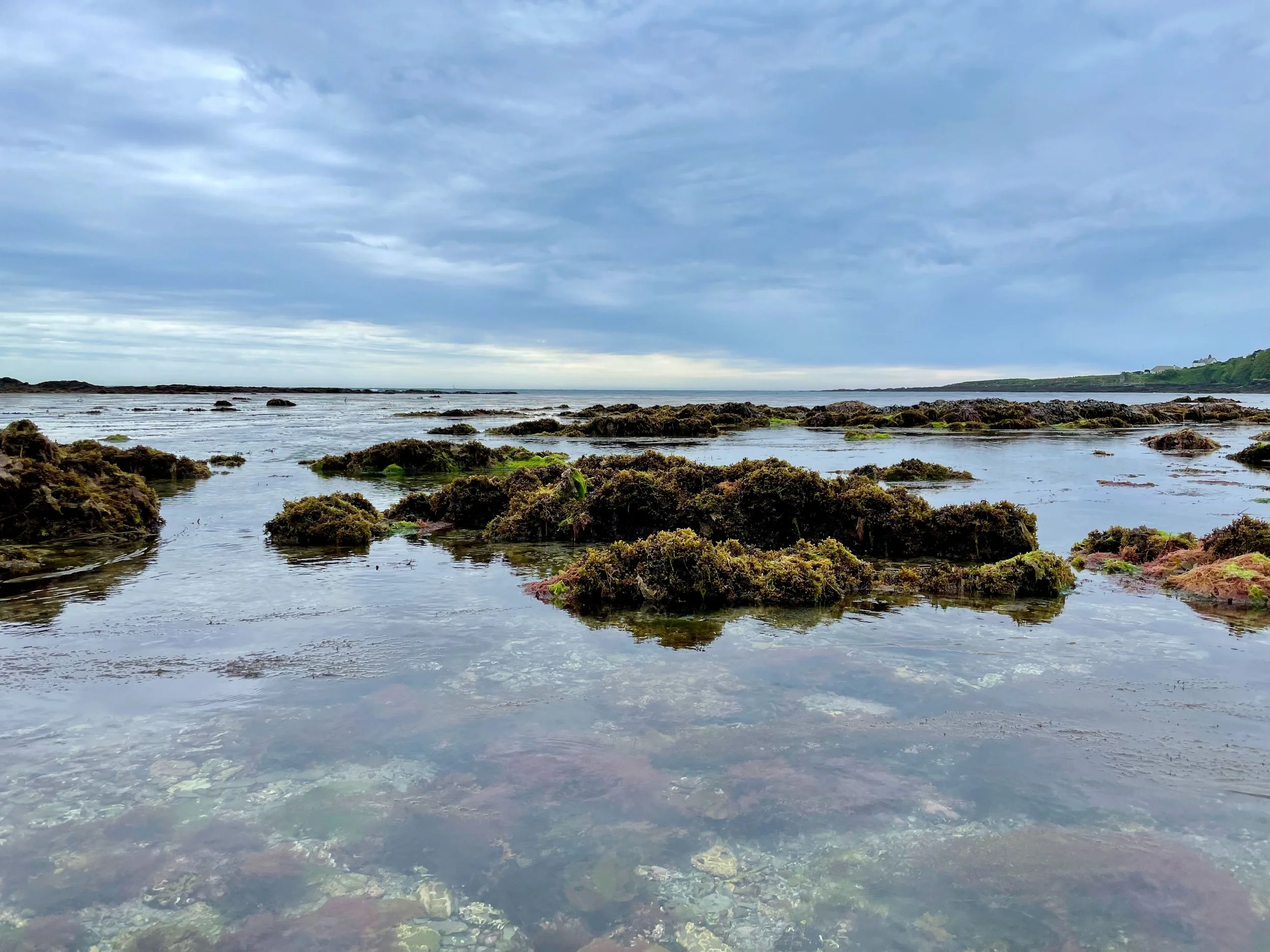
We use crustaceans as our primary model organisms, and rocky shores and nearshore habitats as our ‘studio’. The work moves between field and laboratory, between observation and experiment, between natural and human-caused sources of noise.
This isn't a single room in a university building.
It's a research identity
and it travels.
Life on the shore is an information problem.
We study the solutions
Research without walls
WHAT IS AN eLAB?
Traditional research labs are tied to a place — a building, an institution, a postcode. The Crab Lab works differently. It is a portable, independent research centre that exists wherever our research can be done.
Currently based at the University of Plymouth, the lab has operated from other institutions and may move again. What remains constant isn't the address — it's the questions, the collaborators, the research, and the community built around this work.
The eLab model means our resources, field notes, research updates, and collaborative spaces are open and accessible regardless of where we're physically located. If you're interested in crustacean biology, marine sensory ecology, or the biology of information in noisy environments, this is your entry point — wherever you are.

The signal and the noise
THE DRIVING QUESTIONS
Every organism on a rocky shore is surrounded by information — chemical gradients, water movement, vibration, light — and by noise, both natural and human-generated. The central question running through all of our research is deceptively simple:
How do marine animals gather, filter, and act on meaningful signals in one of the most complex and noisy environments on earth — and what happens when we add to that noise?
Wherever the
tide takes us
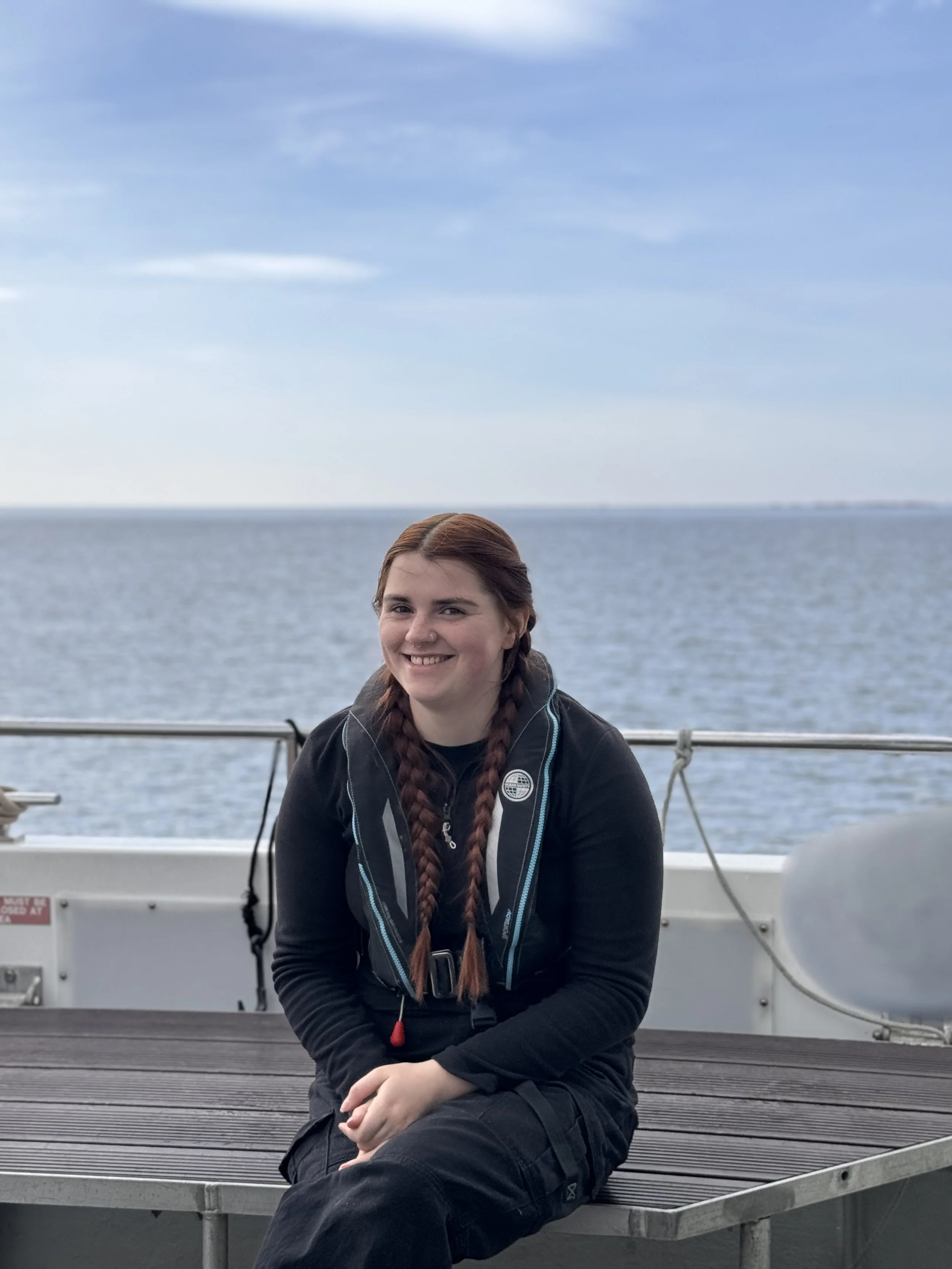

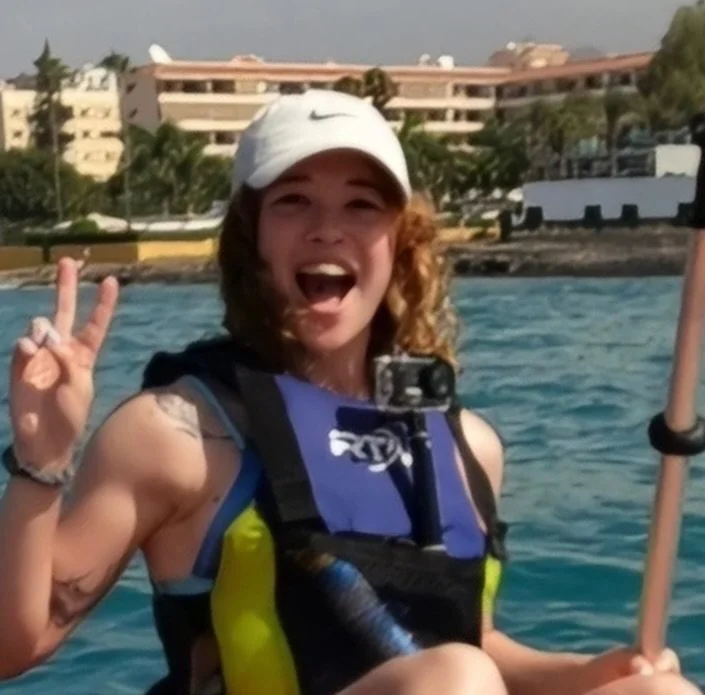
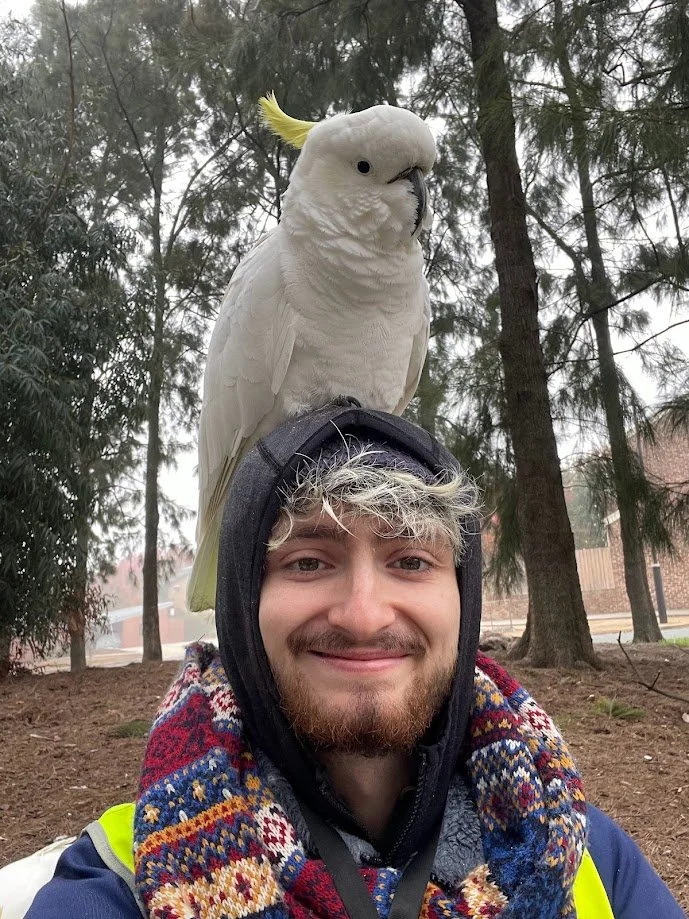
The Crab Lab has never been about a particular building or a particular postcode. It began as a way to do serious science without the constraints of institutional geography — and it has stayed that way.
Our collaborators are spread across institutions. Our students come from wherever they find us. Our fieldwork happens wherever the questions lead — from the rocky shores of Devon and Cornwall to farther afield.
When we move institutions, the lab moves with us. The questions, the community, the accumulated work — none of that belongs to a building. It belongs to the science.
What The Crab Lab stands for
HOW WE WORK
Interested in our work?
Explore the research, meet the team, or get in touch about collaboration and student projects.