Research Theme 01
Finding the signal in a noisy world
How do animals gather, filter, and act on meaningful information in one of the most complex environments on earth — and what happens when we add to that noise?

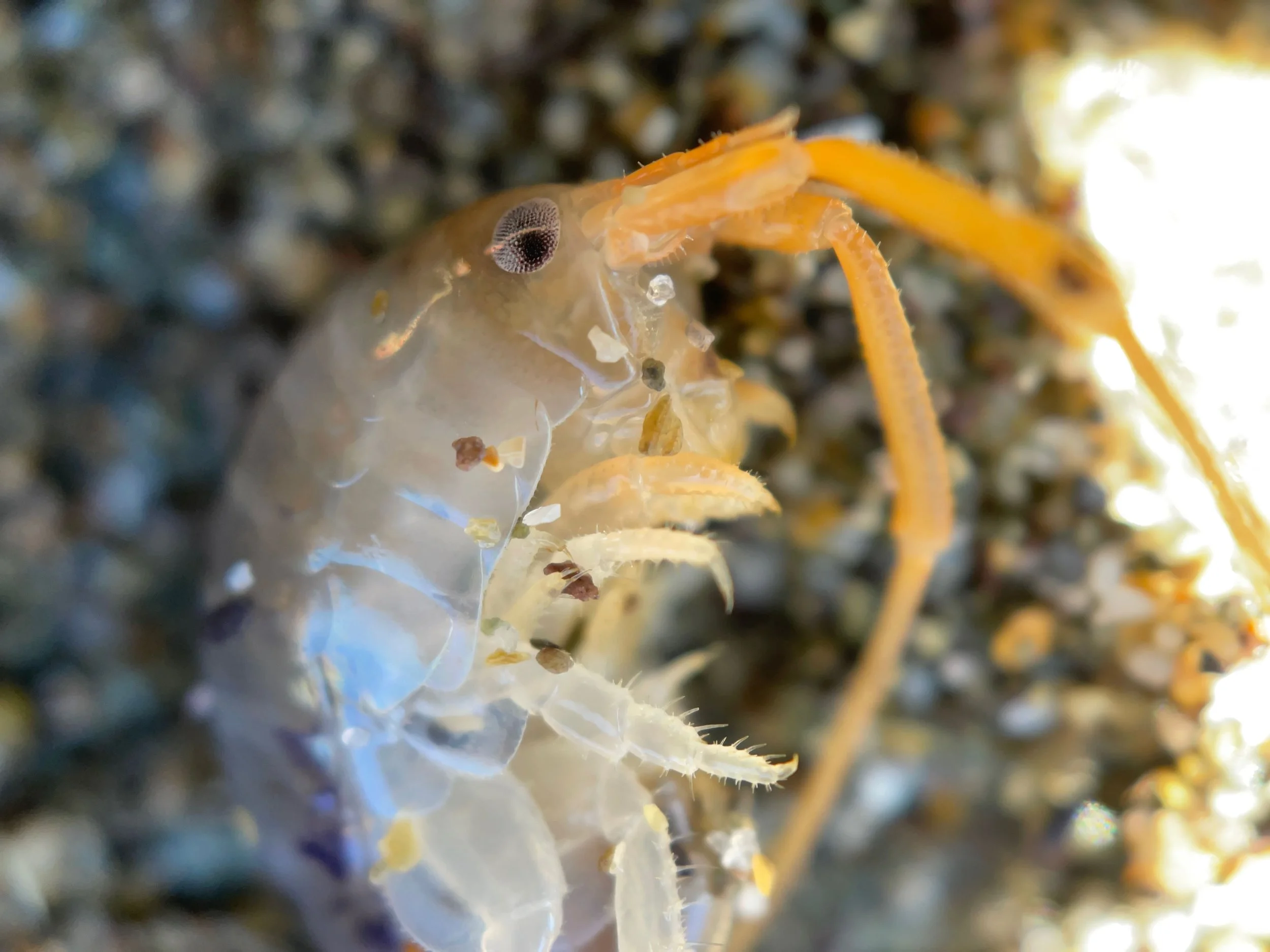
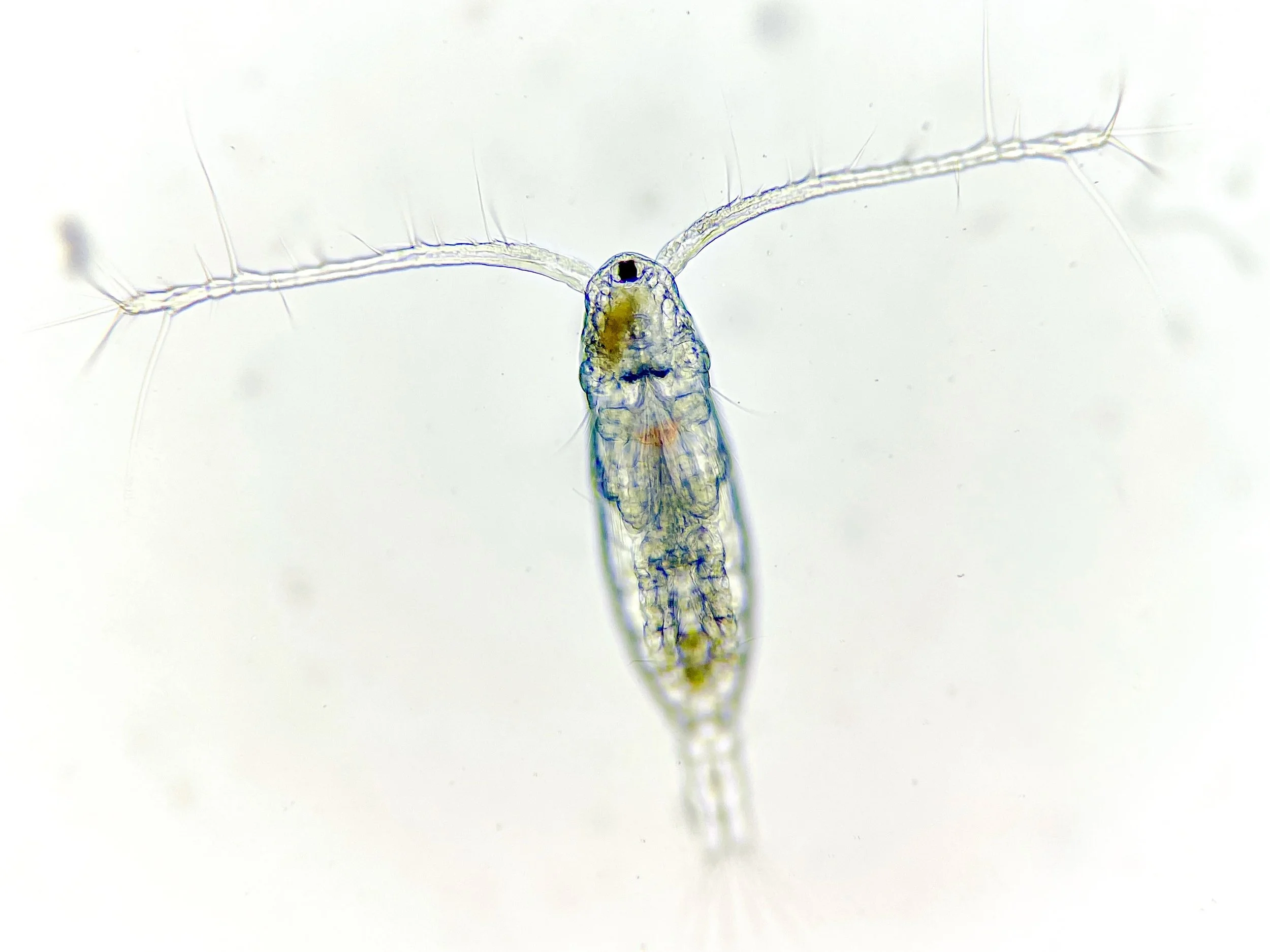
The how — sensory architecture & information acquisition
About this research theme
Our sensory biology research centres on how organisms acquire and use environmental information in complex, dynamic habitats. We work at the intersection of morphology, behaviour, physiology, and ecology to understand the evolutionary context in which sensory traits arise and change and how animals cope when environments shift, including under the growing pressure of human-generated disruption in marine systems.
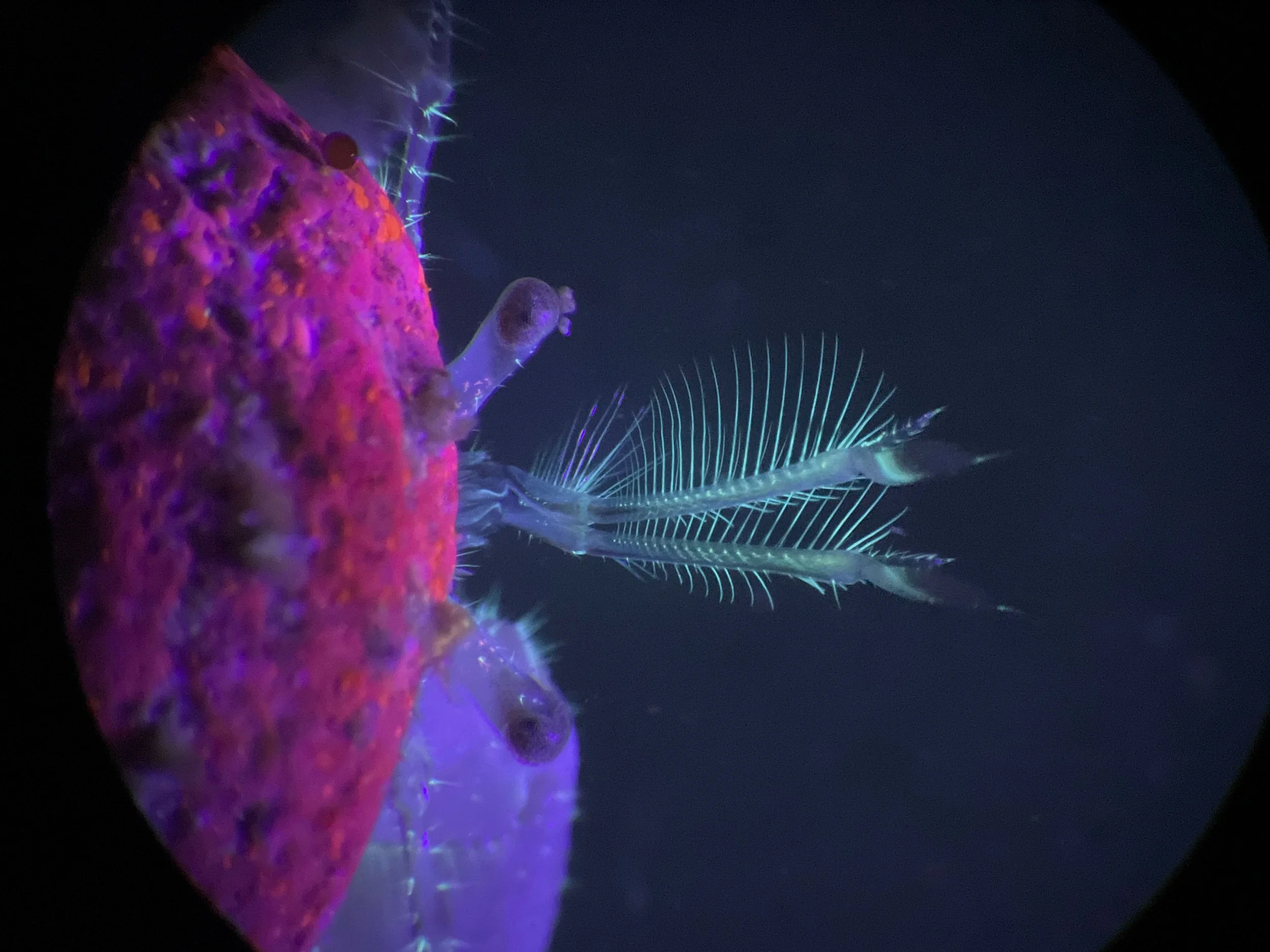
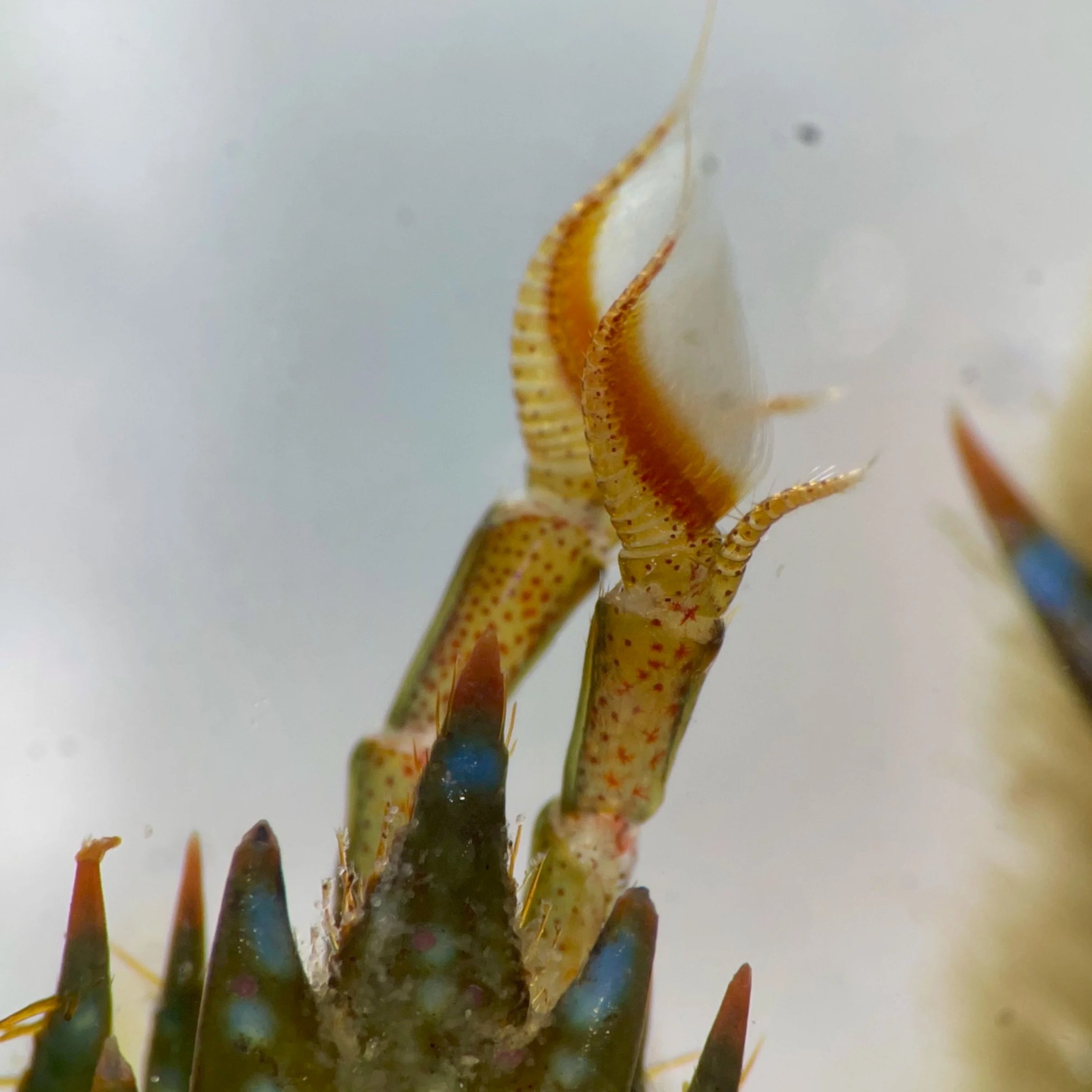
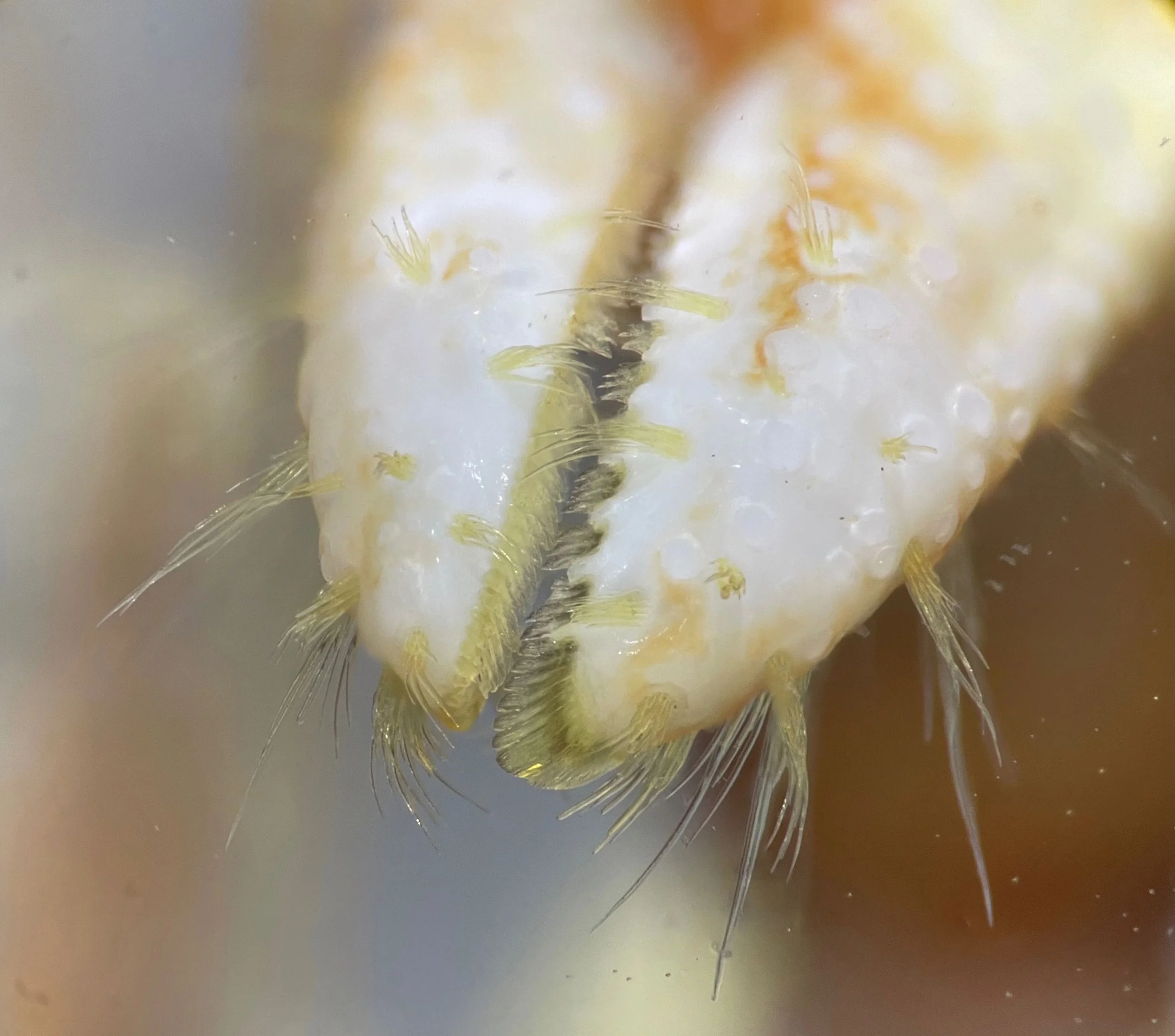
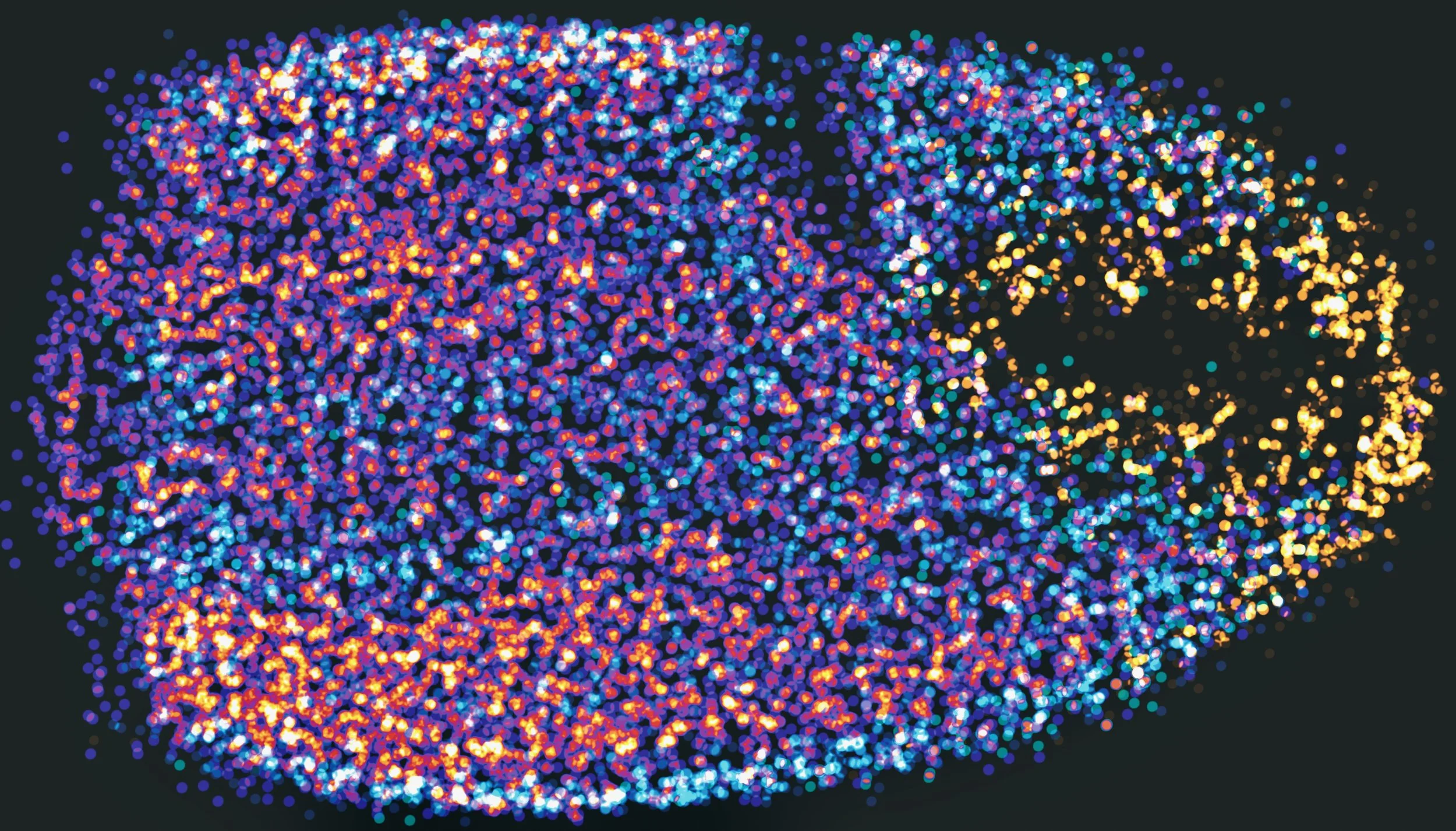
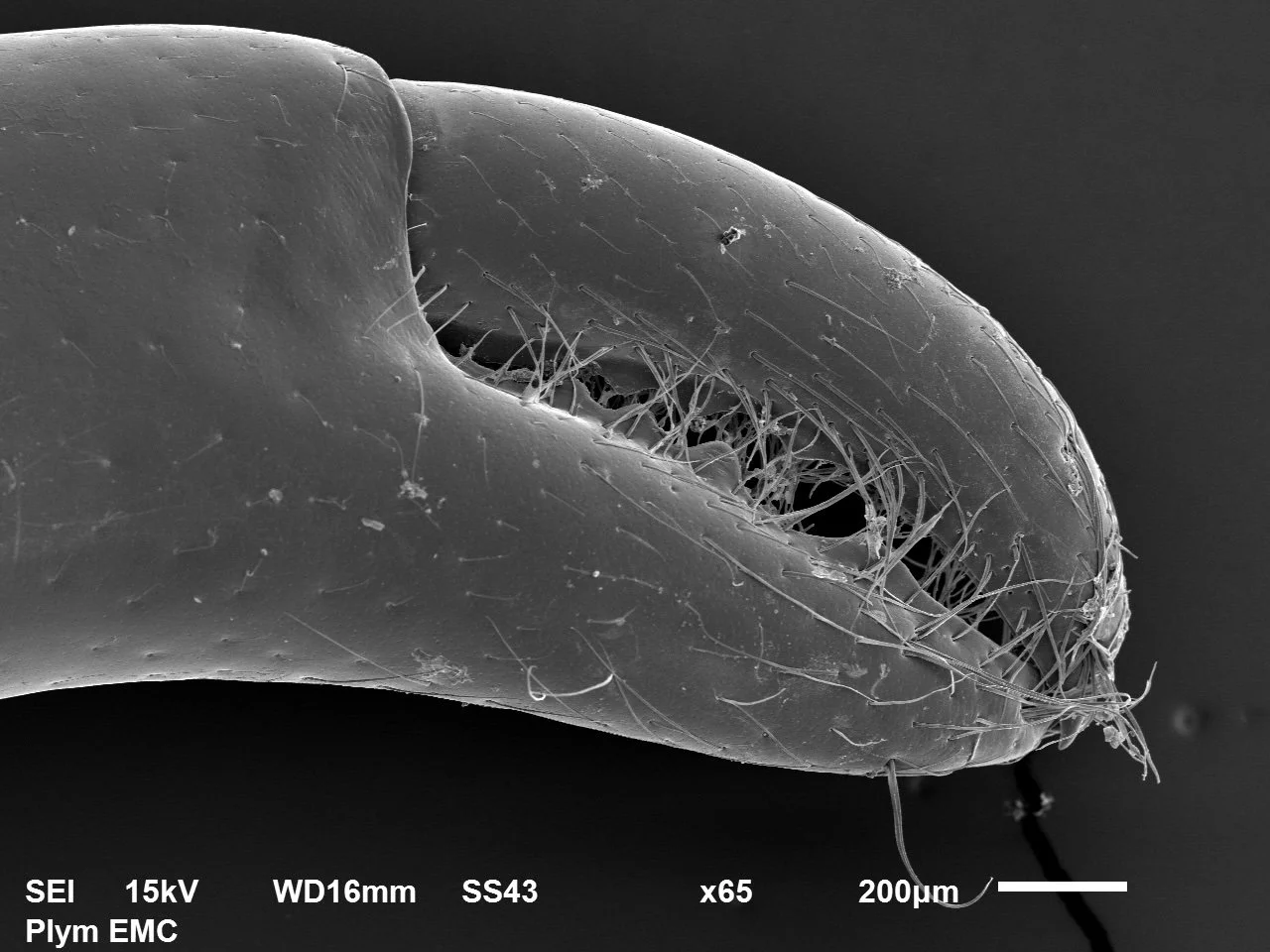
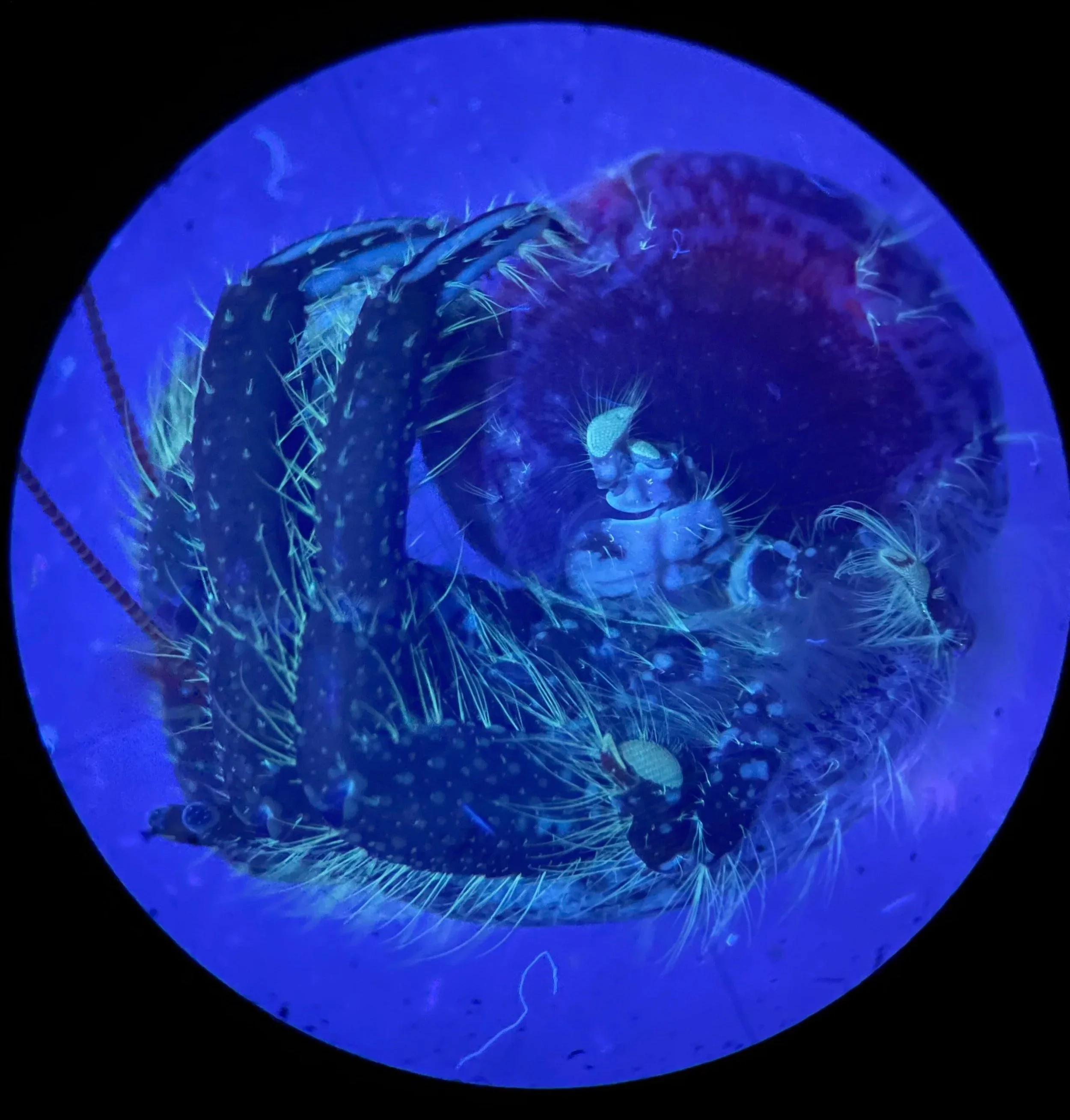
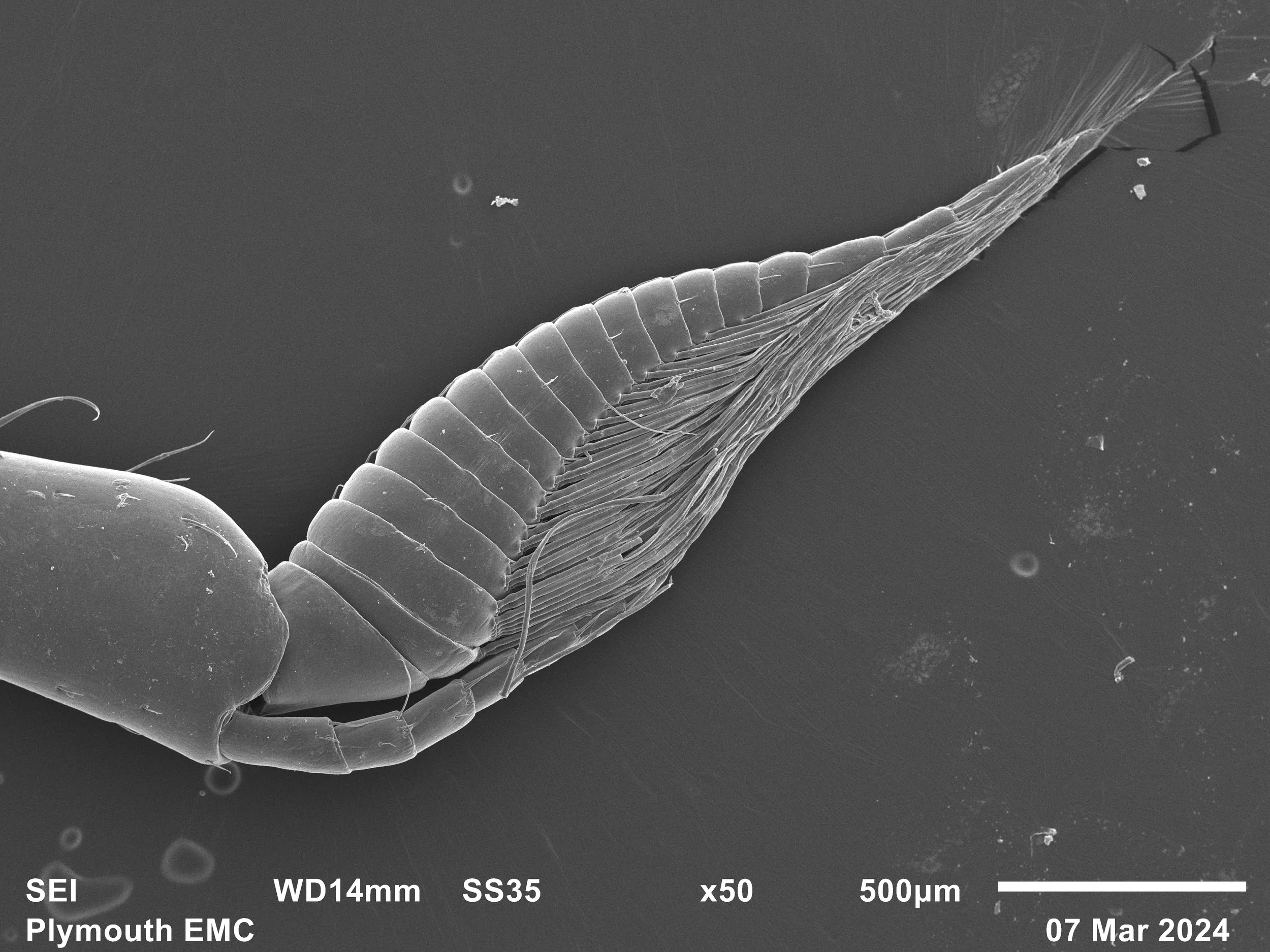
We study sensory systems at multiple scales: from the gross morphology of appendages—antennae, claws, and legs—to the microstructure of individual sensilla, sensory hairs lining crustacean appendages that serve as primary receptors of chemical and mechanical information. These tiny structures help shape information acquisition, decision-making, and biological performance.
Much of our work uses crustaceans and other marine invertebrates as model systems—organisms that are both biologically compelling and practically well-suited to asking questions about information ecology in action.
A key insight driving this work is that sensory capacity is not fixed. It varies over time, between individuals, sexes, and morphotypes, and shifts across environmental conditions. That variation has real consequences for behaviour, performance, and survival and fitness.
This is the lab's most active research front, with four publications since 2025 and several projects currently underway.
How does variation in sensory architecture — from gross morphology to individual sensilla — shape what an animal can perceive, and how it responds to that information?
What happens to perception and behaviour when the information environment changes — through pollution, anthropogenic noise, or disease?

RESEARCH AREAS
Four interlocking questions
Our sensory biology work sits across four interconnected areas — each asking a different question about how sensory systems are built, how they work, and what happens when they are disrupted.
How does the microstructure of sensory appendages shape what an animal can detect?
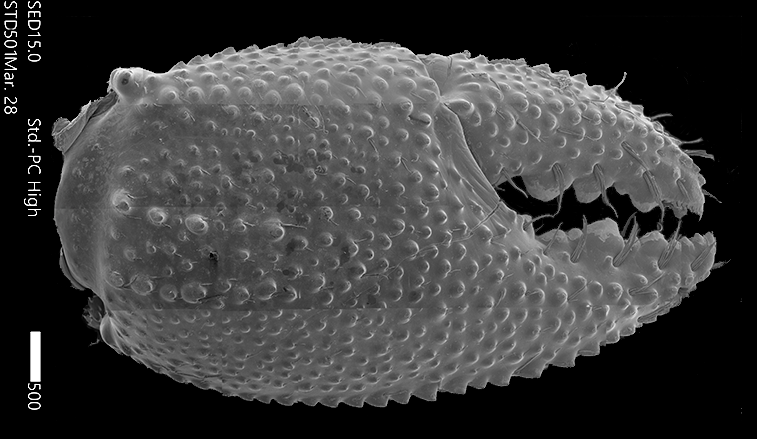
We use SEM imaging to map sensilla type, density, and distribution across crustacean appendages. Recent work has revealed striking structural variation with real functional consequences. For example, the claws of Pagurus bernhardus hermit crabs vary by sex and body side.
What do fine-scale changes in sensory behaviour reveal about stimuli importance and accessibility?
Crustaceans actively sample their environment through antennular flicking and antennal waving. We have developed methods to track these behaviours to better understand information acquisition, the relative value of different stimuli, and sensory disruption, opening a new window into crustacean cognition.
Does individual variation in sensory architecture predict behavioural type?
Sensory capacity varies between individuals, sexes, and morphotypes. This variation can predict behavioural performance and 'personality' type. For example, we have shown that bolder hermit crabs tend to have more sensilla, consistent with a sensory investment syndrome linking personality to perceptual architecture.
What happens to sensory function when anthropogenic pollutants and disturbance alter environments?
Human activity introduces novel disruption into marine environments — microfibres and microplastics that physically foul sensory structures, metals that interfere with receptor chemistry, and acoustic and light pollution that alter the information landscape animals rely on. We study how these stressors affect information acquisition, behaviour, and performance.
ACTIVE PROJECTS
Current sensory biology work
Projects currently underway — open to student involvement and collaboration enquiries.
Extending our sensilla mapping work beyond P. bernhardus to build a comparative picture of sensory diversity across the Crustacea.
2 Active ProjectsExamining the changes in stimulus-detection and use as the signal-to-noise ratio of the environment changes.
3 Active ProjectsInvestigating relationships between fine-scale sensory morphology/behaviour and other aspects of an organism's phenotype to assess how sensory capacity shapes survival and fitness.
1 Active ProjectLinking the heterochelic and sexually dimorphic sensillation patterns in P. bernhardus chelipeds to functional differences in sensory ability and fitness metrics.
2 Active ProjectsExpanding our published microfibre work to investigate forms of sensory pollution and sensory resilience following exposure to environmental contaminants.
3 Active ProjectsPotential to develop research projects around sensory architecture and behaviour. Get in touch to discuss options.
Open to expressions of interestMETHODS & APPROACHES
From SEM to shore to statistics
We combine imaging, behavioural, and analytical approaches — moving between microscopy and field observation as the questions demand.
● Scanning electron microscopy (SEM)
● High-resolution macro imaging
● Sensory structure quantification & mapping
● Fine-scale behaviour tracking
● Whole-organism behavioural assays
● Methods development
● Ecotoxicology protocols
● Morphometrics
● Mixed-Effects Models
● Bayesian Approaches
PUBLICATIONS
Sensory biology outputs
MEDIA CENTRE
Videos, posters & presentations
Antennule shift in Pagurus bernhardus
Video footage from our first experiment examining attention in crustaceans — watch a hermit crab shift its antennular flicking direction in response to a chemical stimulus, demonstrating directed sensory attention.
● VIDEO
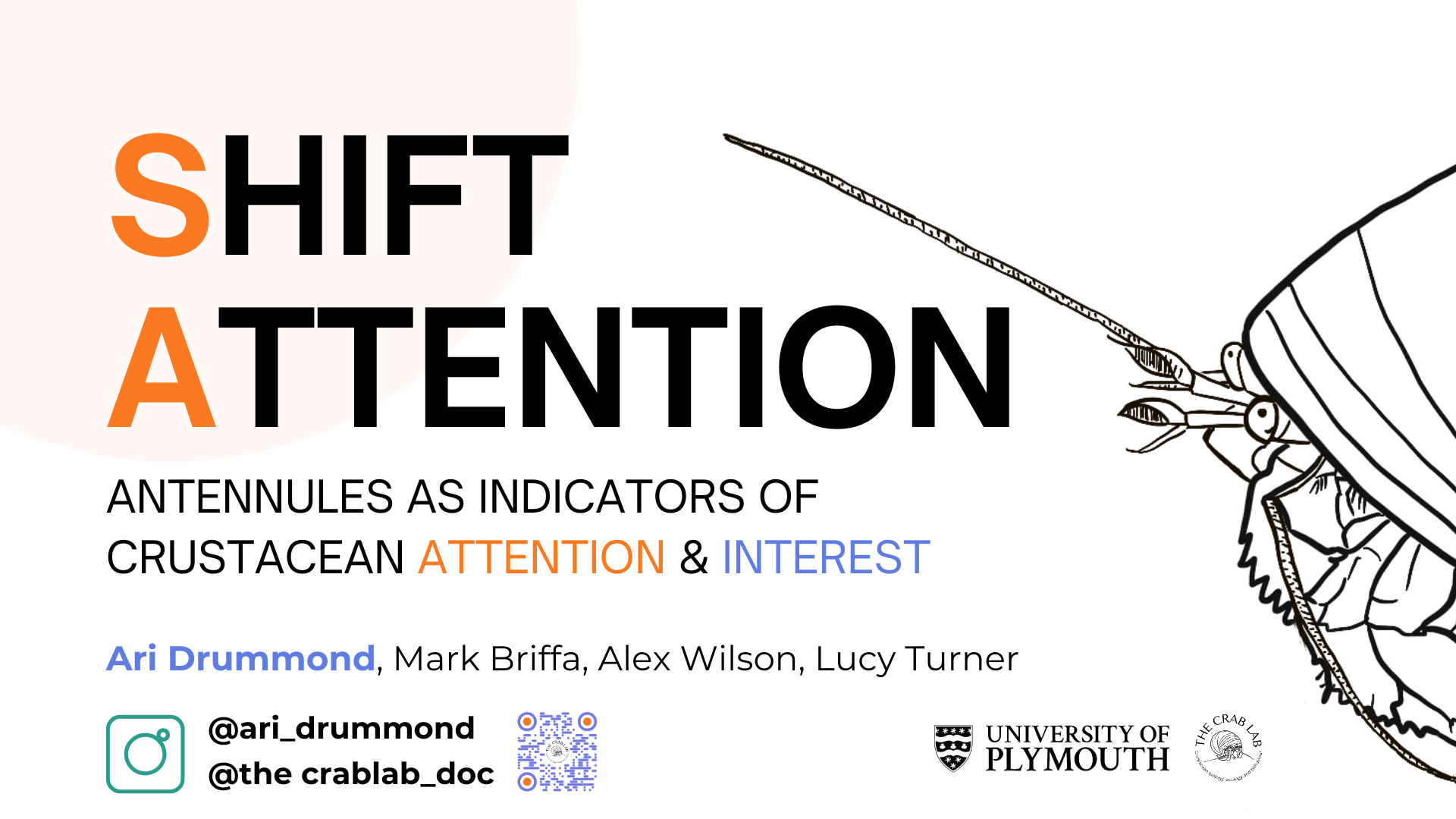
Shift Attention: Antennules as indicators of crustacean attention
Conference poster for our antennular gaze work — the methodology behind tracking where a hermit crab is "looking" by tracking its chemosensory behaviour.
Click to download →
● POSTER & PRESENTATION

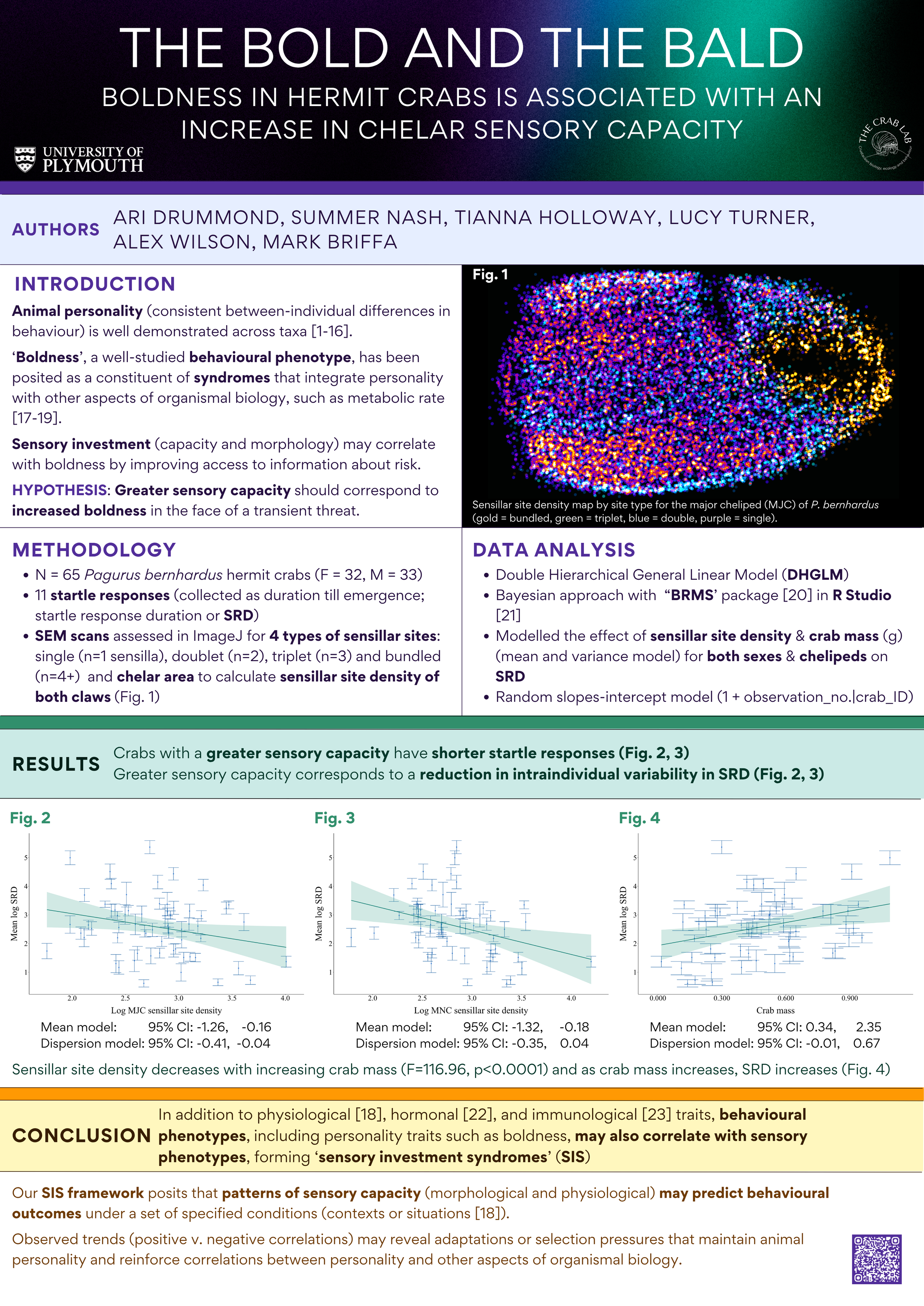
The Bold and the Bald: Boldness linked to sensory capacity
Conference poster presenting the sensory investment syndrome work — showing that bolder hermit crabs tend to have more sensilla on their claws.
Click to download →
● POSTER
Anthropogenic pollutants as sensory disruptors in intertidal hermit crabs
Conference presentation for our work examining the impacts of microfibre pollution on the sensory performance of Pagurus bernhardus hermit crabs. (University of Plymouth, January 2026)
Click to download →
● PRESENTATION
