One question. Five themes.
Research Overview
Intertidal habitats are dynamic, demanding, and extraordinarily rich in environmental information. We study the biological processes that allow animals to gather, use, and rely on it.
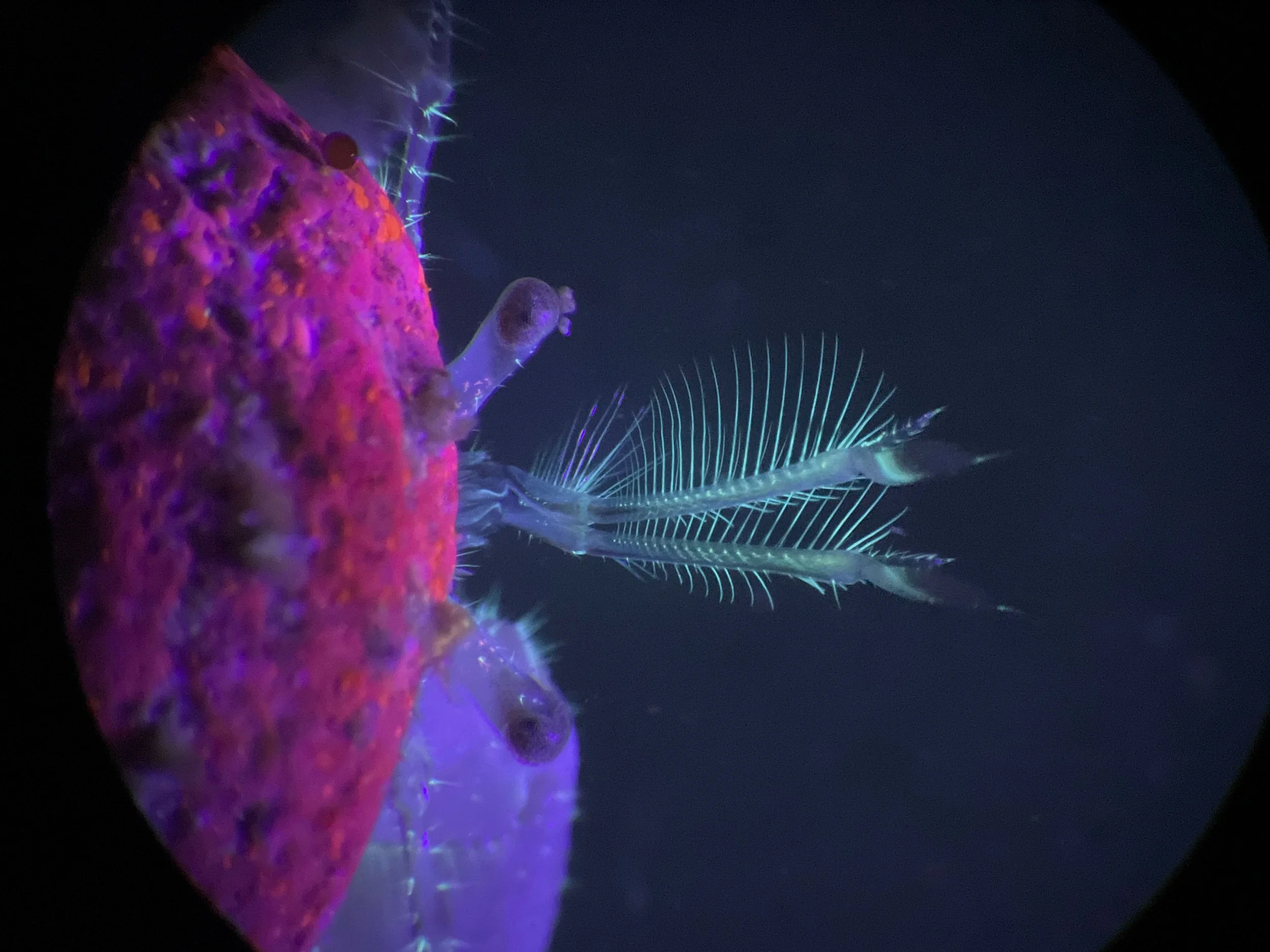
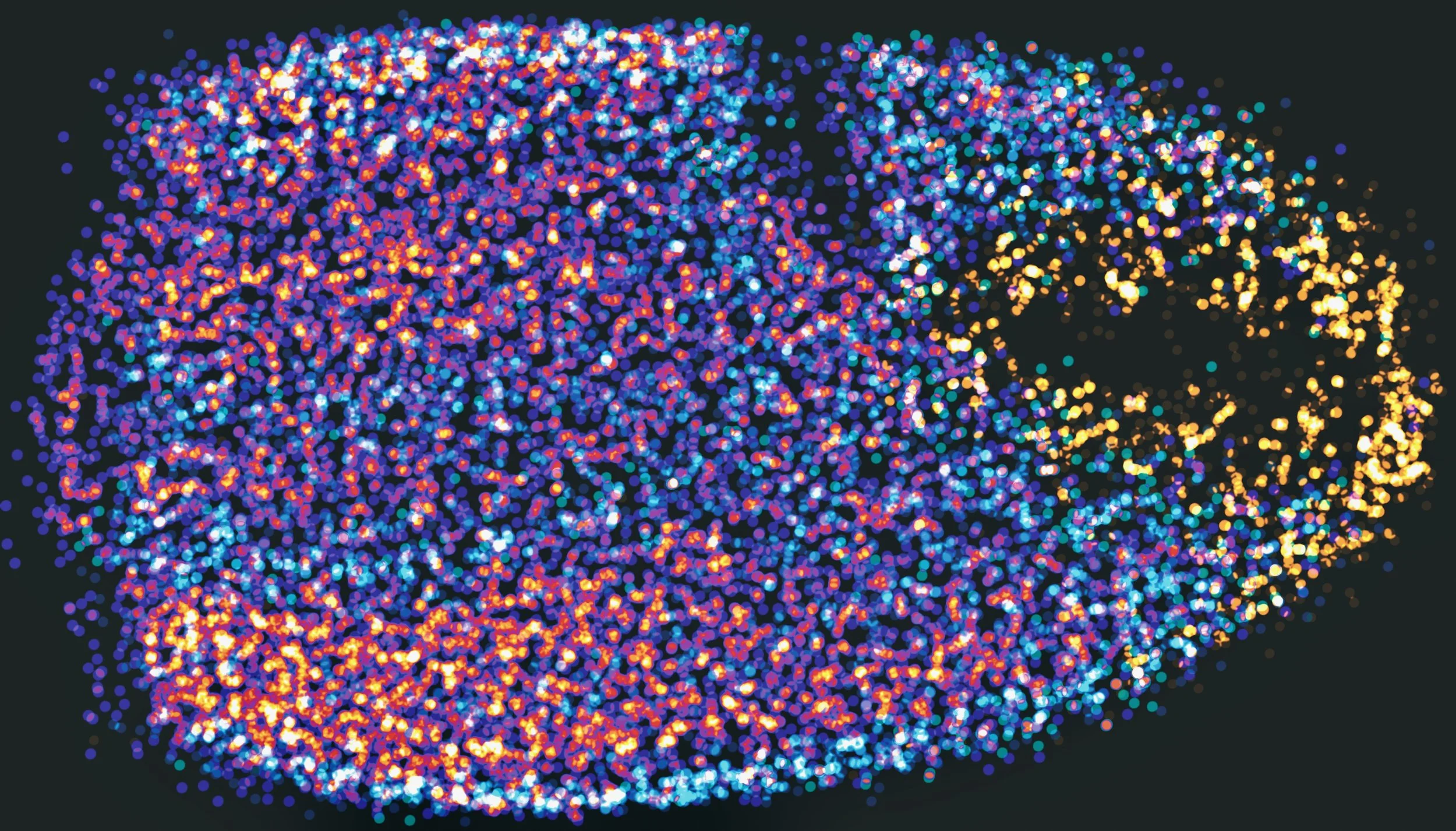
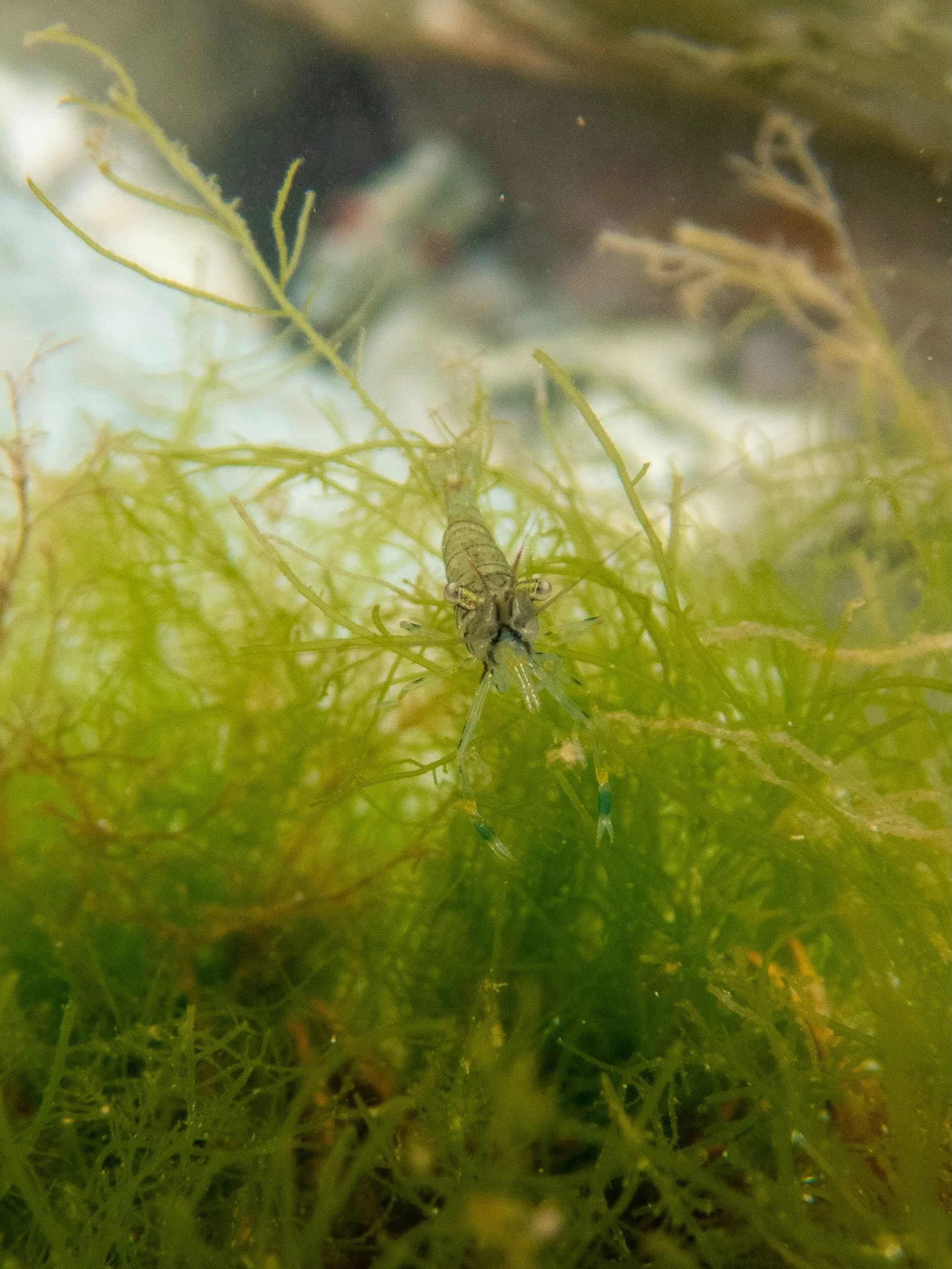
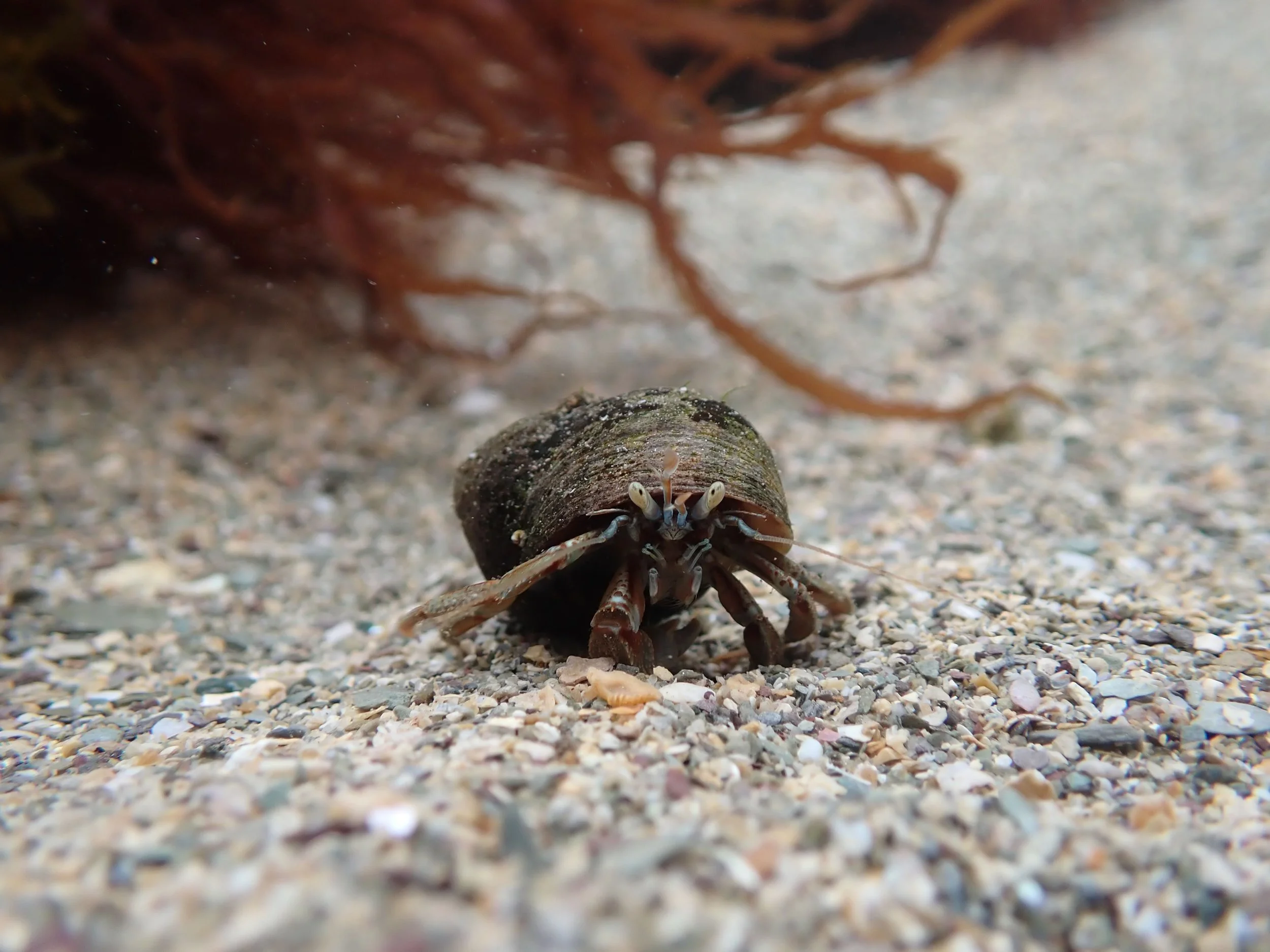
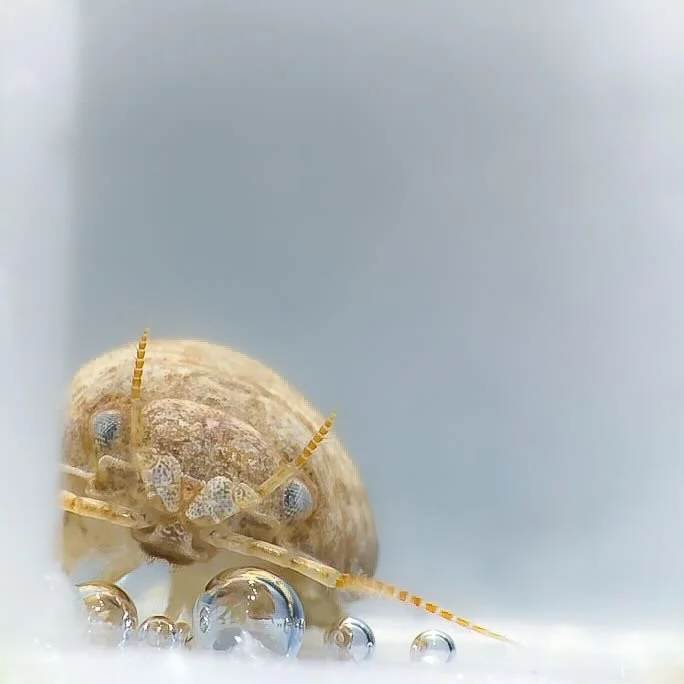
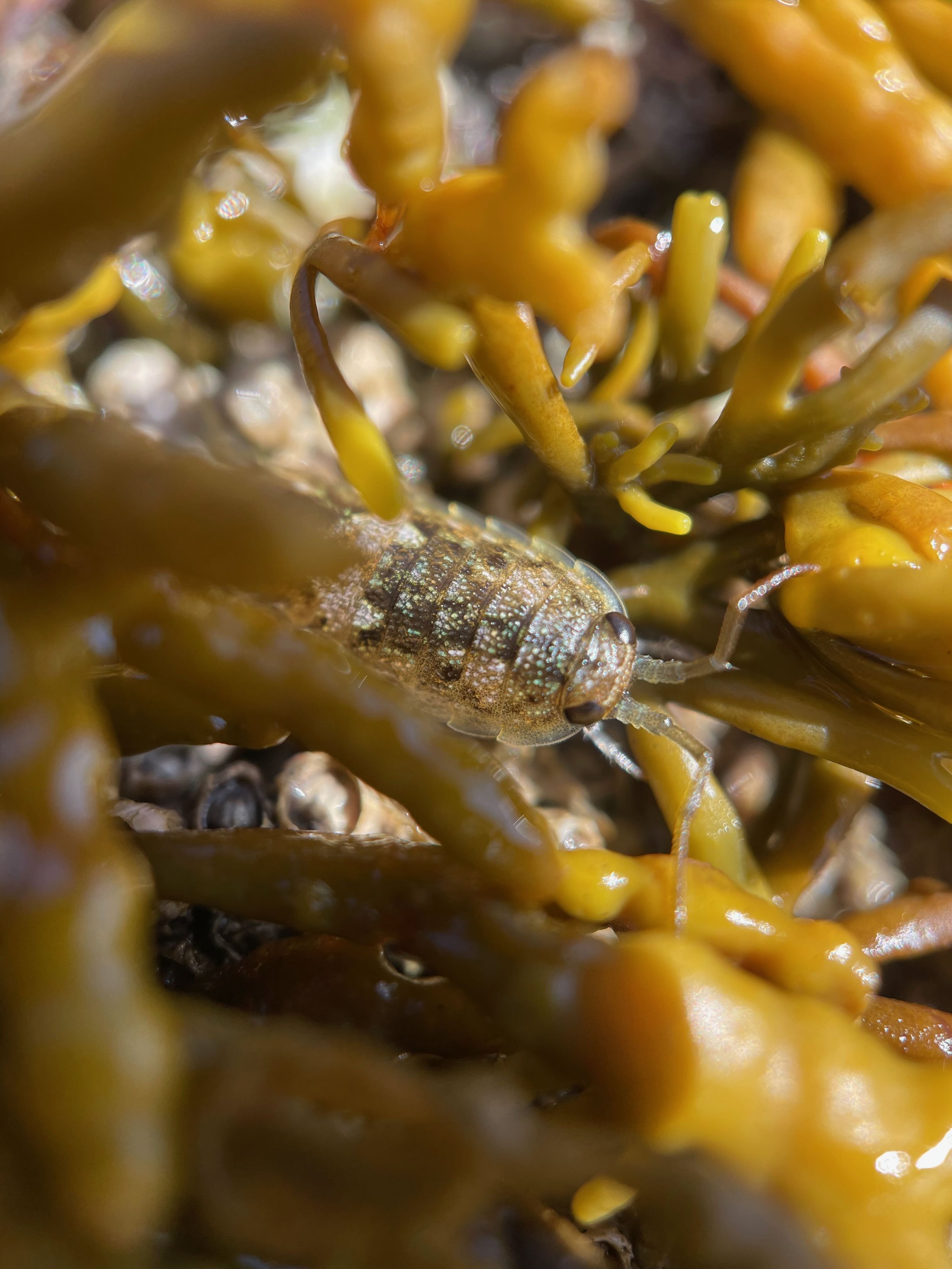
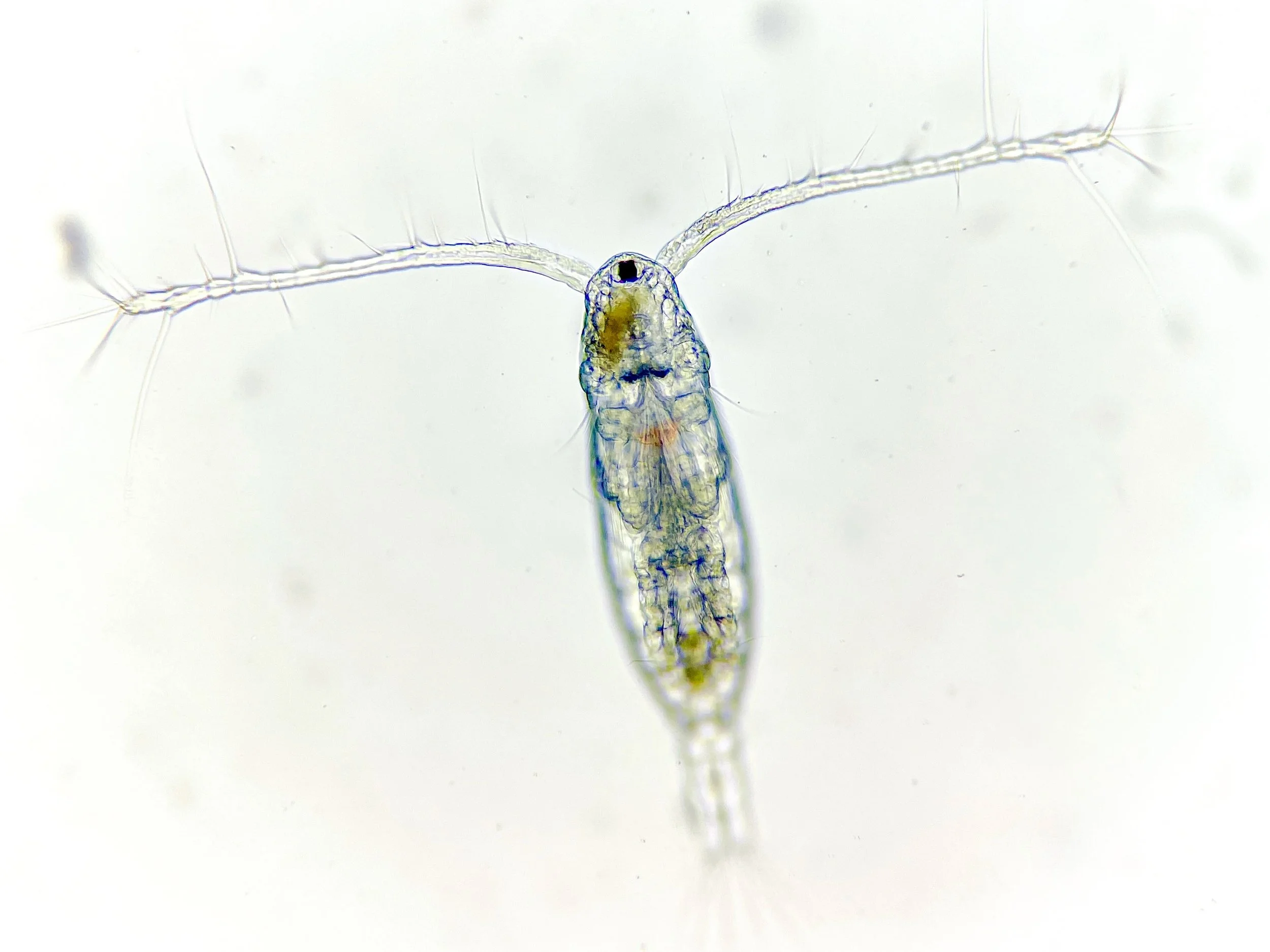
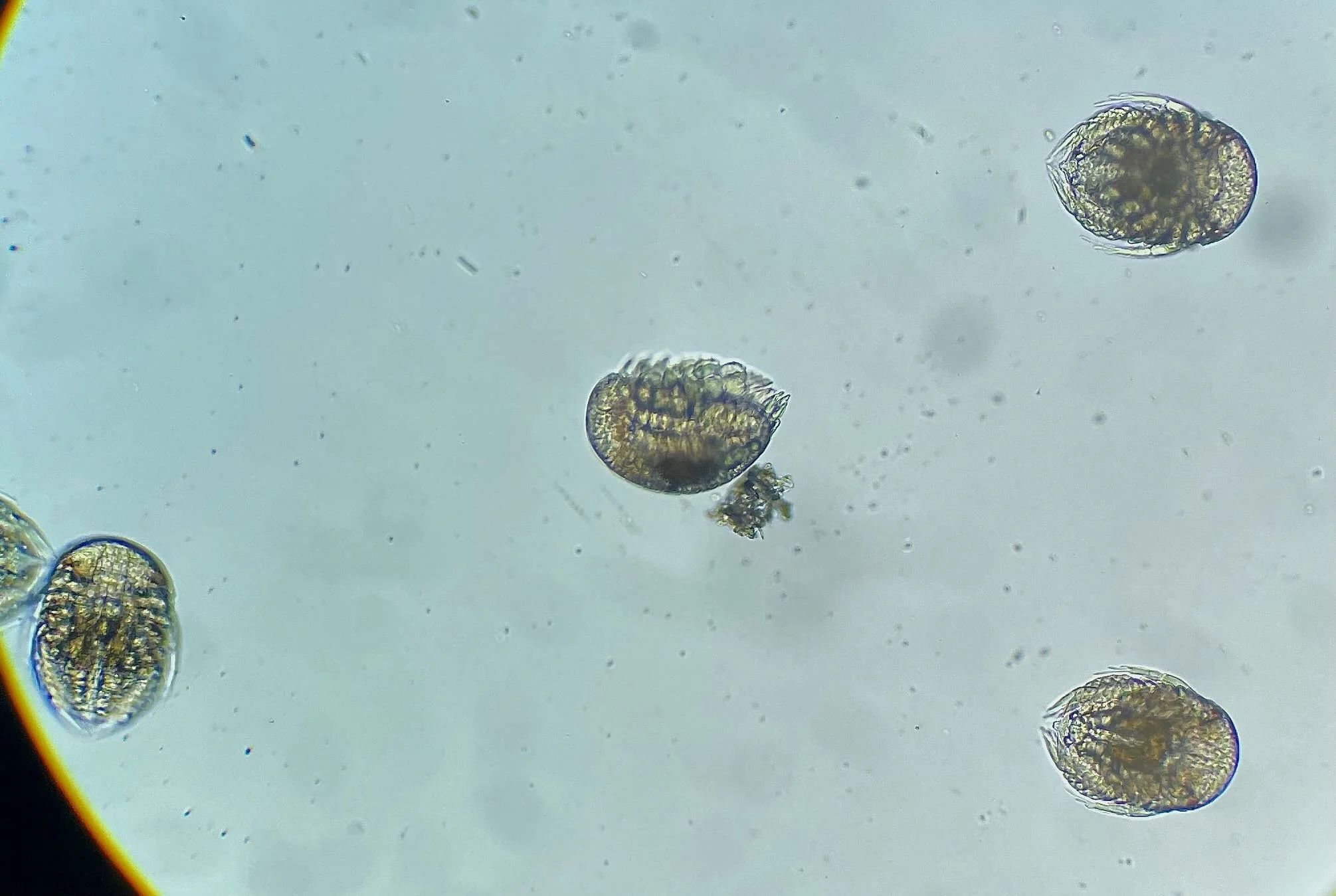
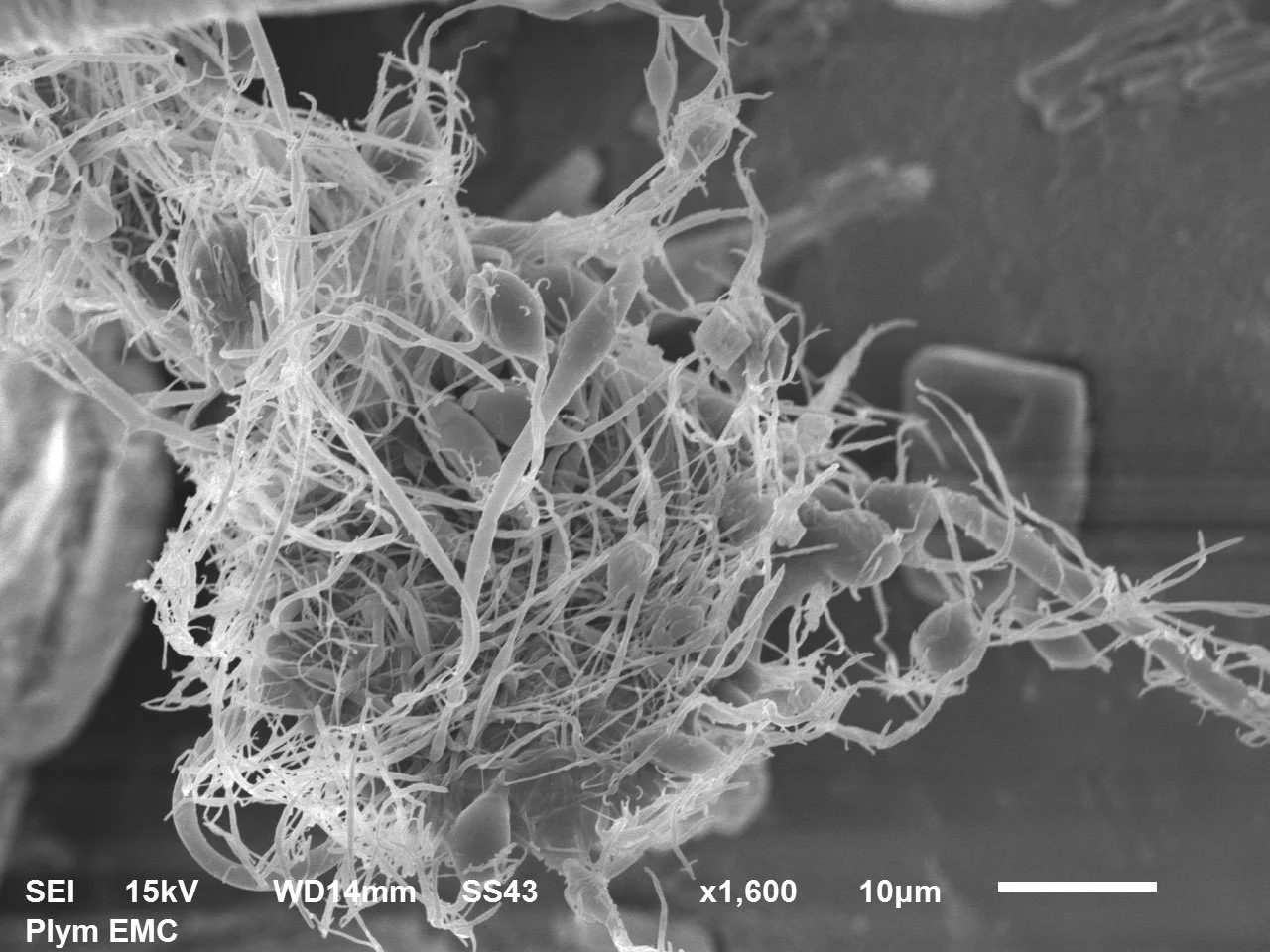
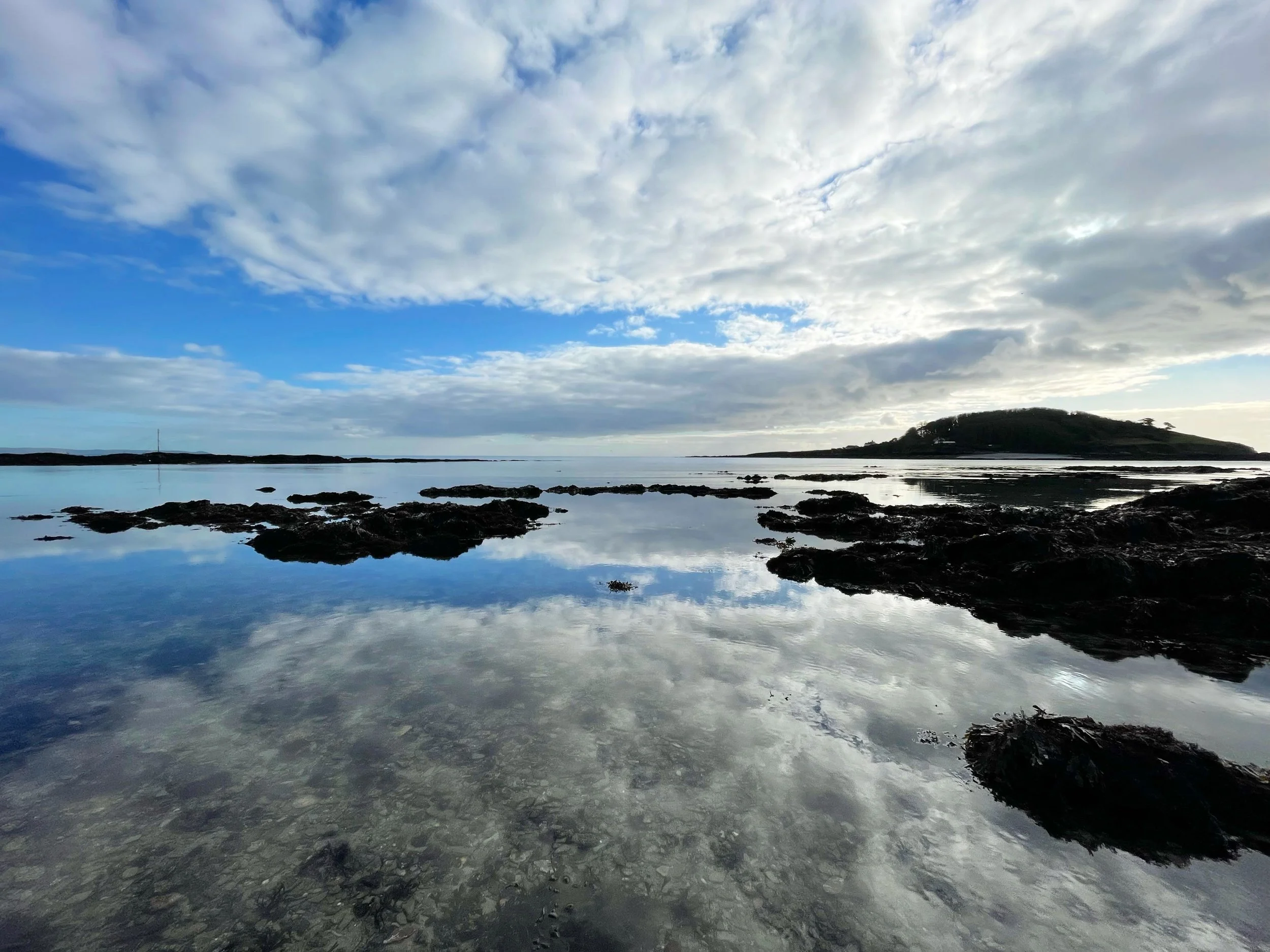
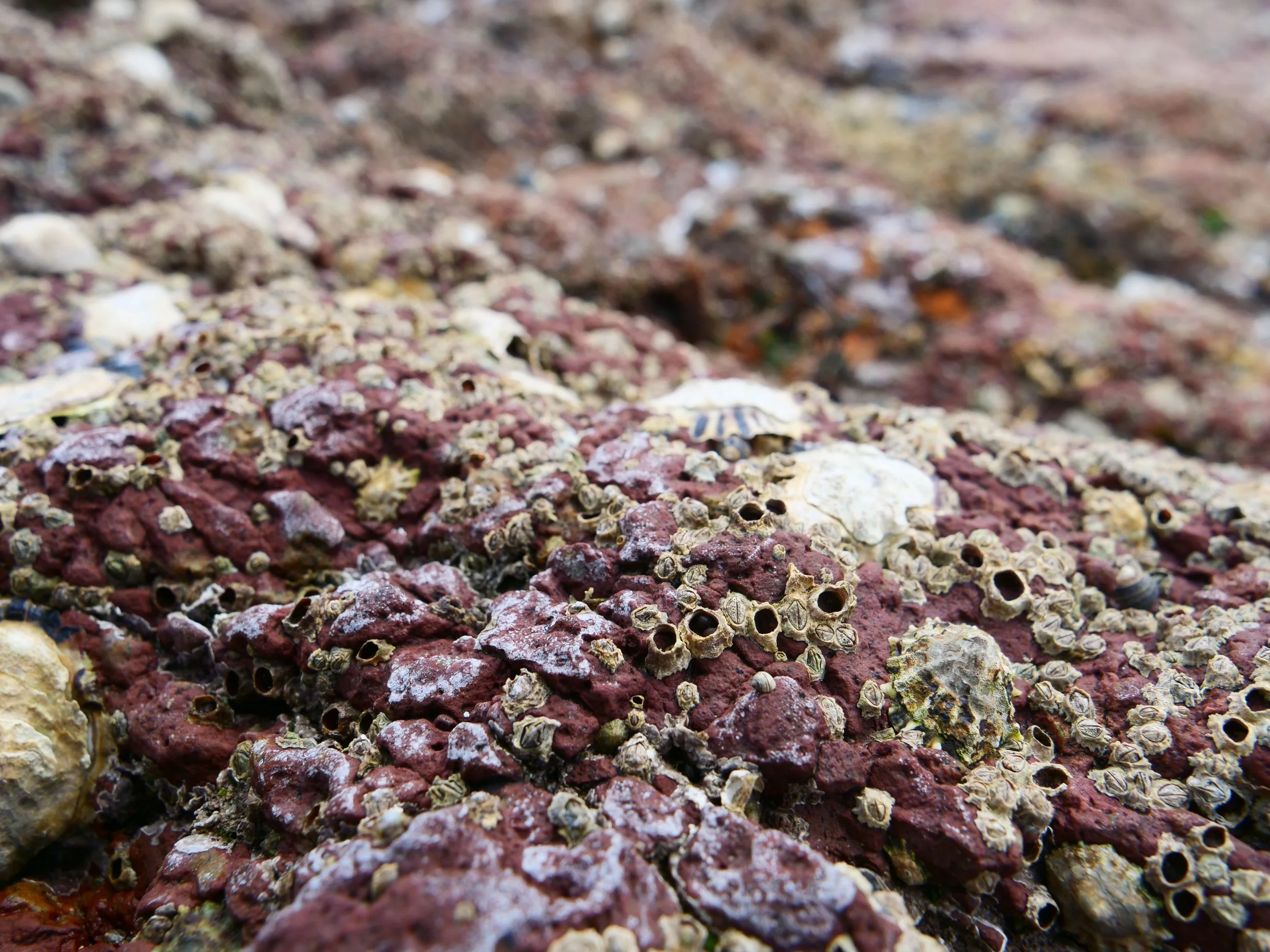
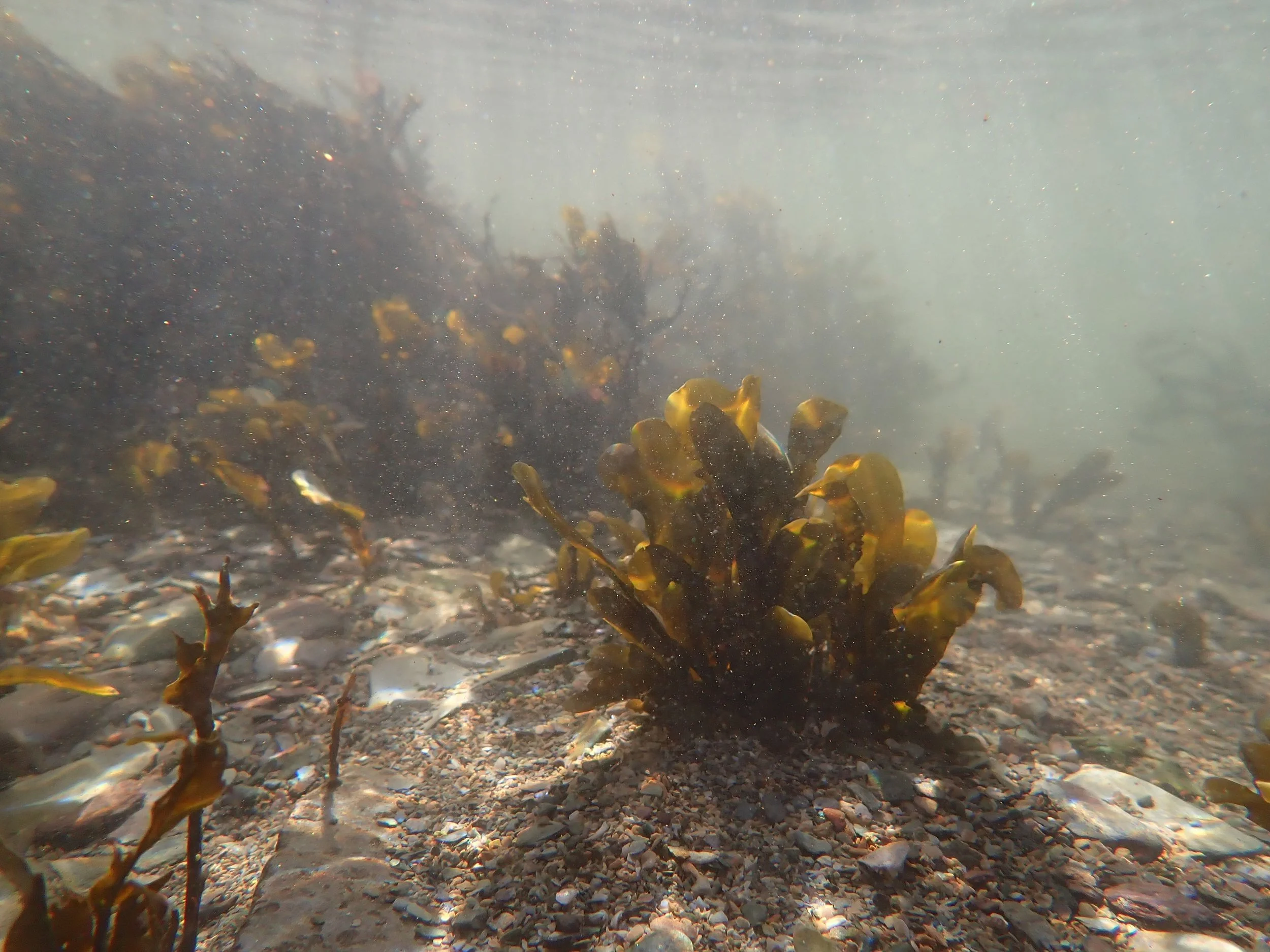
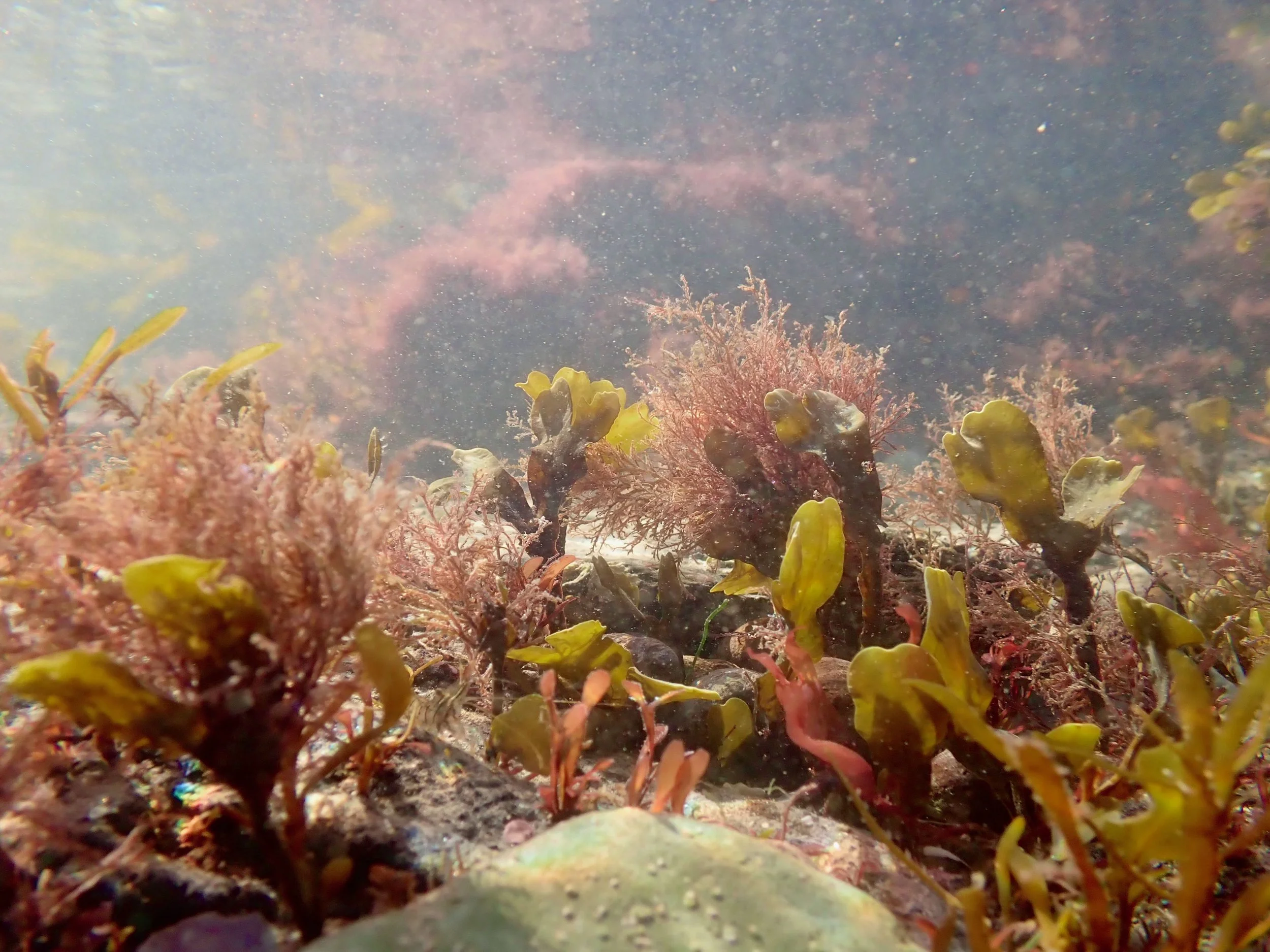
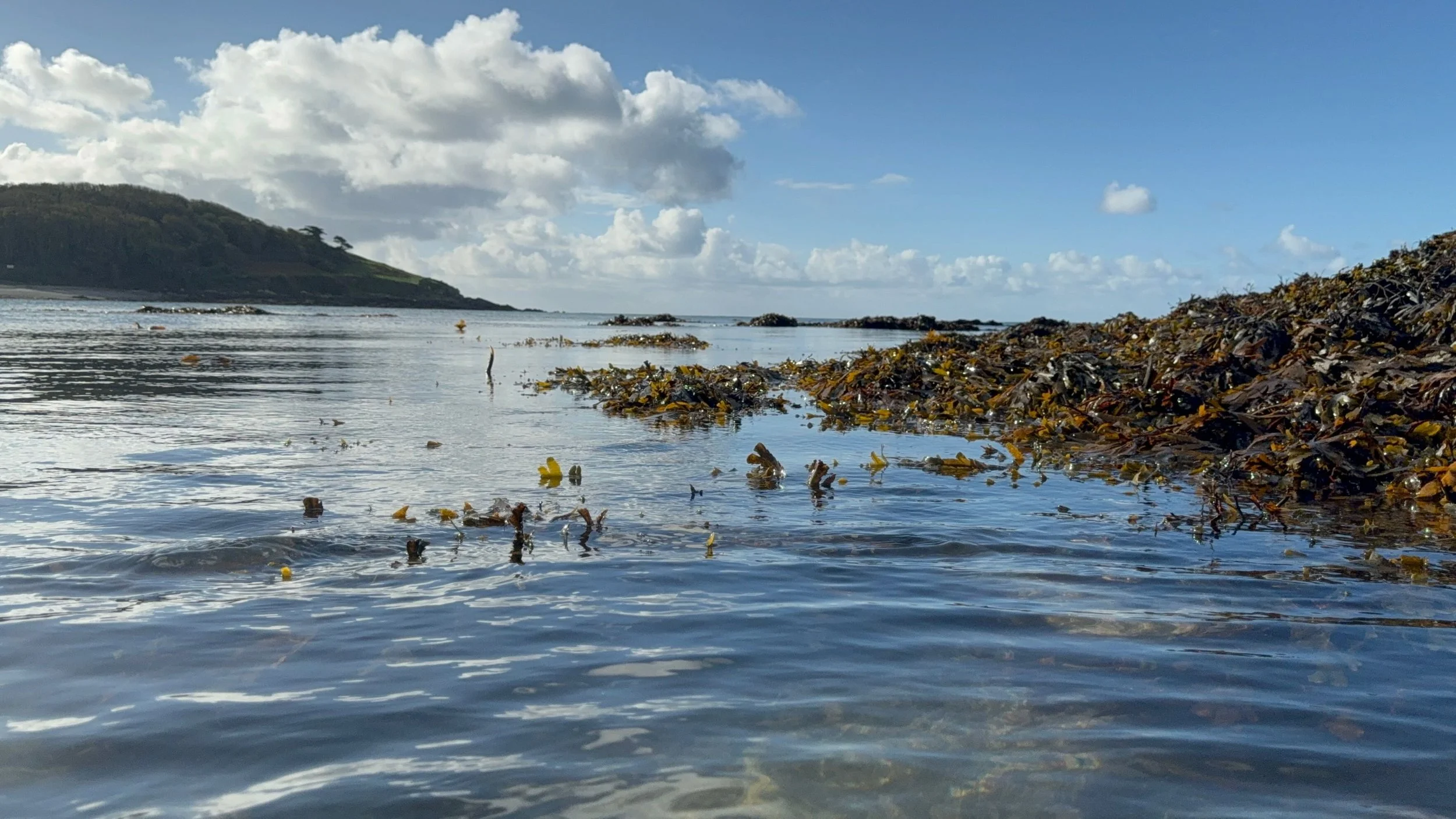
How do animals gather, filter, and act on meaningful information in one of the most complex and noisy environments on earth —
and what happens when we add to that noise?
The question running through every project in The Crab Lab
Our research sits at the intersection of several disciplines. These are the core ideas that run through all five themes — defined here in plain language, with a note for specialists on how we're using each term.
KEY CONCEPTS
-
Everything in an animal's surroundings that it can potentially detect and use — chemical gradients, water movement, light, vibration, the presence of other organisms. The rocky shore is saturated with it.
We use "environmental information" in the broad ecological sense — the structured variation in the environment that animals have evolved to respond to — rather than the narrower animal communication sense of intentional signals between organisms.
-
Variation in the environment that makes it harder to detect or use relevant information. Noise is not just sound, but any source of disruption, from turbulent water currents to chemical pollution to competing stimuli.
We distinguish natural noise — the background complexity animals have evolved within — from anthropogenic noise, which introduces novel disruption at intensities and frequencies outside evolutionary experience.
-
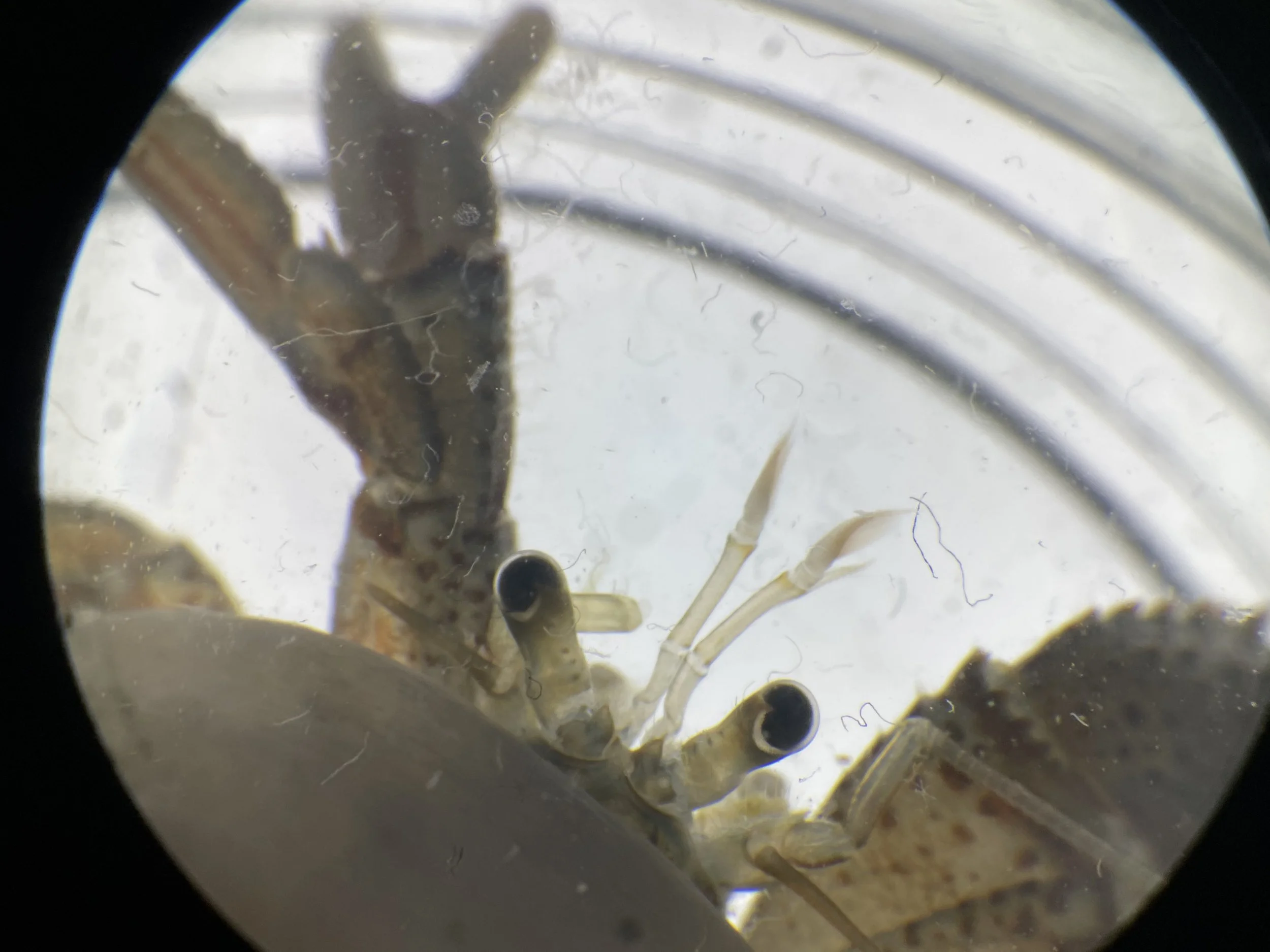
The physical structures an animal uses to detect the world — antennae, eyes, hairs, pores, and other specialised receivers. The morphology of these structures shapes what an animal can and cannot perceive.
We study sensory architecture at multiple scales — from gross appendage morphology to the microstructure of individual sensilla — using SEM imaging, morphometrics, and functional assays.
-
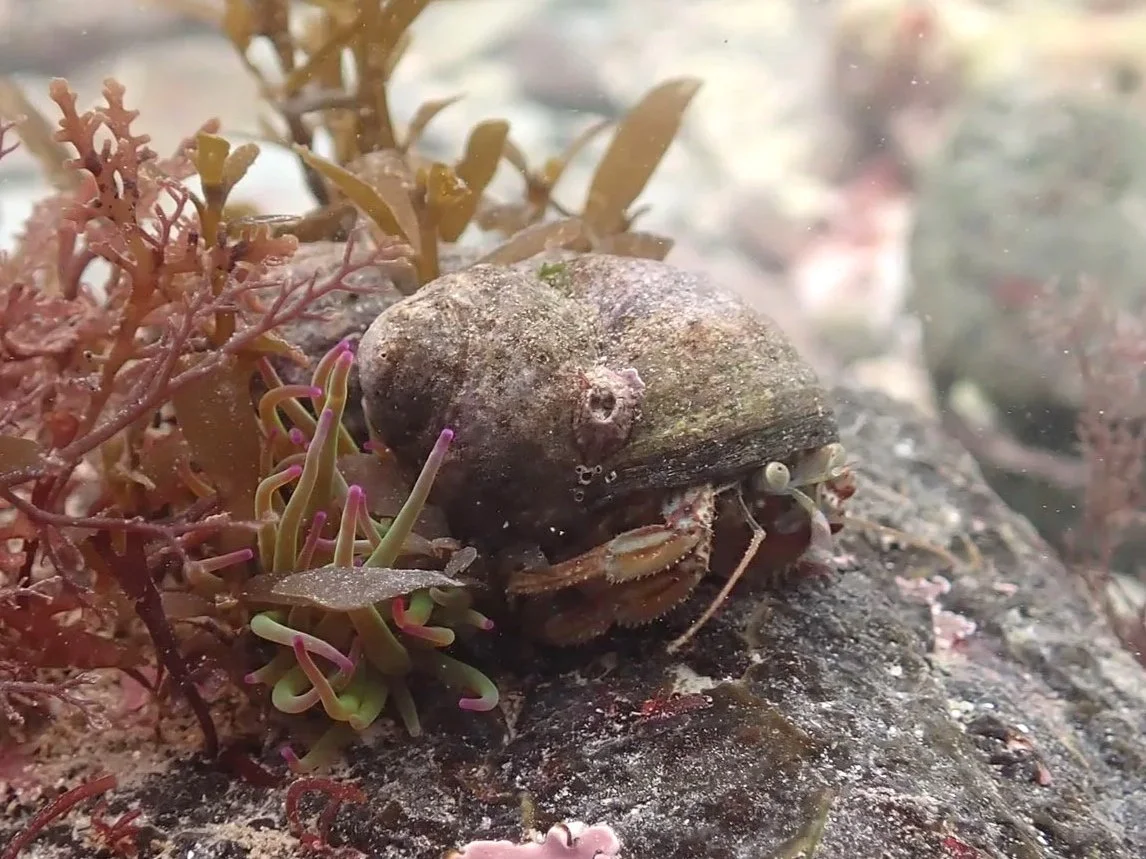
The active process by which animals gather information from their environment — not passive reception, but behaviour. A hermit crab flicking its antennules is actively sampling the chemical world around it.
We treat information acquisition as a trait subject to natural selection — with costs, limits, and individual variation that connect to biological performance, survival, and fitness.
-
What an animal does with the information it gathers. Every choice — which shell to move into, where to shelter, whether to flee — is a decision based on available information, often made under time pressure and uncertainty.
We study decision-making through behavioural assays that manipulate information availability, quality, and reliability — connecting sensory input to behavioural output and performance.
-
How well an animal does — its ability to survive, compete, reproduce, and cope with change. Sensory capacity and decision-making quality ultimately feed into performance, which is what natural selection acts on.
Performance links our mechanistic sensory work to ecological outcomes — connecting microstructural variation in sensilla to population-level consequences under environmental change.
Five interconnected areas of inquiry, each with its own dedicated page. Every theme connects back to the central question — but each opens a different door into the biology.
RESEARCH THEMES
The how — the mechanisms and structures through which animals acquire environmental information
How marine invertebrates are built to perceive their environment — from the architecture of antennules and sensilla to the integration of chemical, mechanical, and visual information. This is the lab's most active research front, with several recent publications.
The who — crustaceans as model organisms for studying information acquisition in action
The biology, ecology, and behaviour of crabs and crustaceans. Hermit crabs are our primary model — animals that make constant, high-stakes decisions based on imperfect environmental information, in one of the most demanding habitats on earth.
The what if — disease as an internal disruption to information acquisition and use
How disease interacts with sensory capacity, morphology, physiology, and behaviour in marine invertebrates. A sick animal with degraded sensory structures cannot gather reliable environmental information — with consequences for its decisions, performance, and survival. An emerging frontier in the lab.
The foundation — you cannot study what you cannot name
Accurate identification of species — particularly within the Crustacea — underpins everything else we do. Taxonomy is not invisible infrastructure in this lab; it is an active commitment and a scientific value. Comparative work across crustaceans depends on getting this right.
The where and why it matters — the habitat as information environment
The shore is not just where we work — it is the system we study. Population dynamics, community structure, and species interactions in intertidal habitats ground our laboratory work in ecological reality, and connect it to conservation relevance under environmental change.
Selected work from the lab
RECENT PUBLICATIONS
Flicking fibres: Microfibres act as sensory disruptors in a marine crustacean
Drummond et al. · 2026
Environmental Pollution
A sensory investment syndrome hypothesis: personality linked to sensory capacity
Drummond et al. · 2025
Proc. Royal Society B
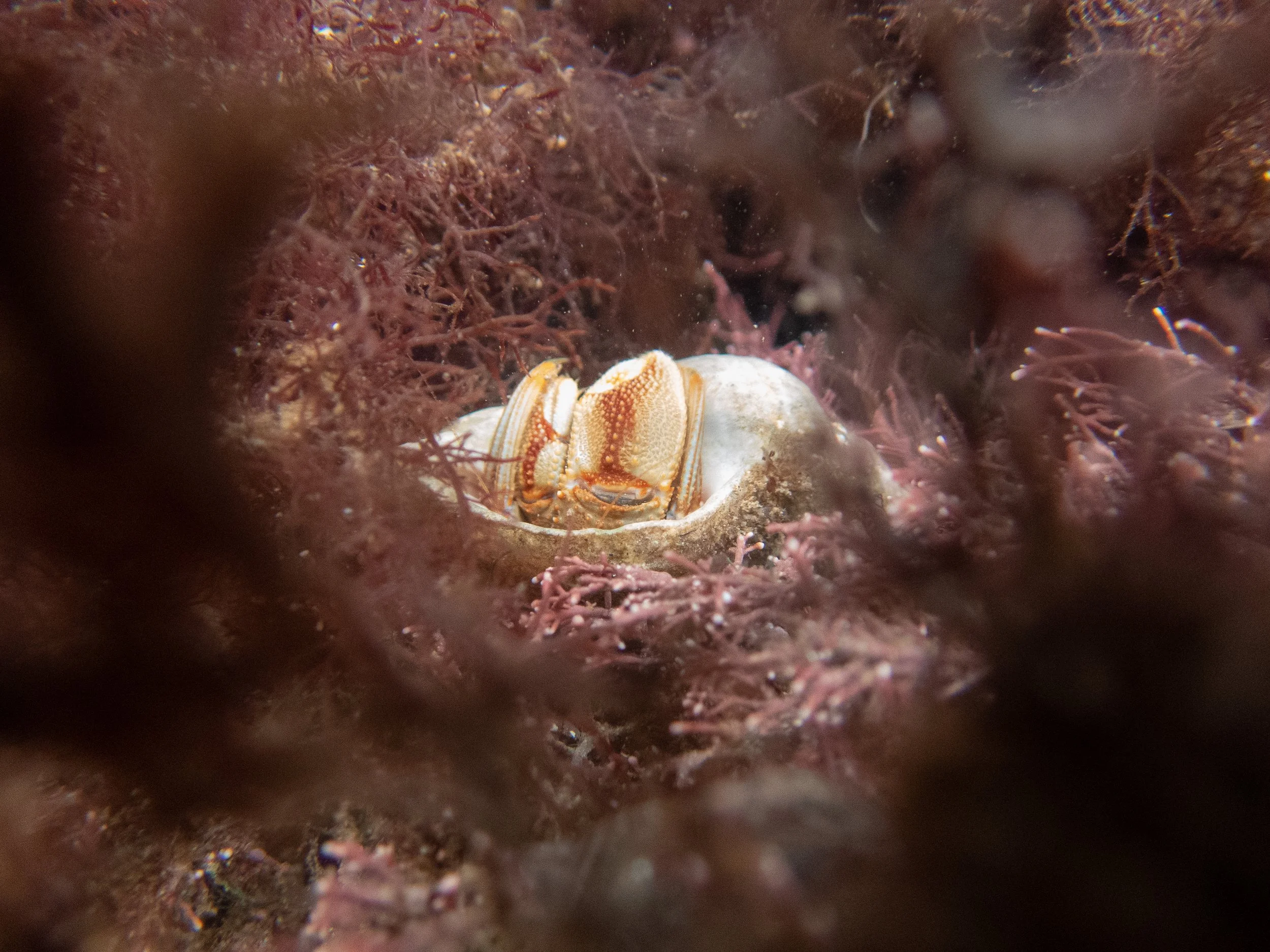
Shelled shut-ins: perceptual awareness in hermit crabs
Drummond, Spicer, Briffa · 2026
Animal Behaviour
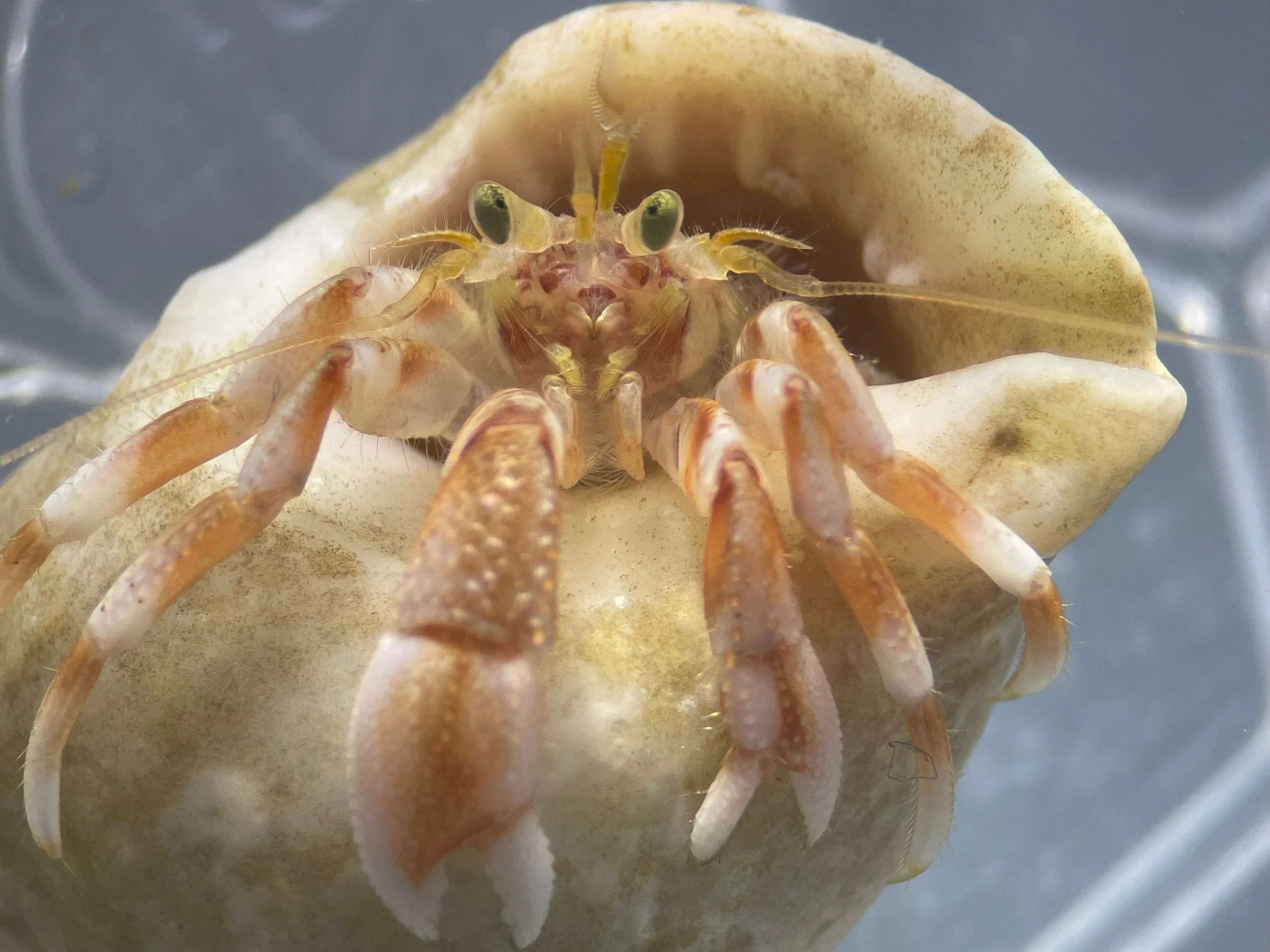
Shifting attention: antennular 'gaze' in Pagurus bernhardus
Drummond et al. · 2025
Proc. Royal Society B
Interested in working with us?
The Crab Lab is always open to student projects and research collaborations. If a theme on this page speaks to you — or if you have a question that might fit — get in touch.