Research Theme 02
The biology of crabs and their kin
Crustaceans as model organisms—from the natural history of hermit crabs to the broader biology of decapods, isopods, and other Crustacea. The who behind our central question.

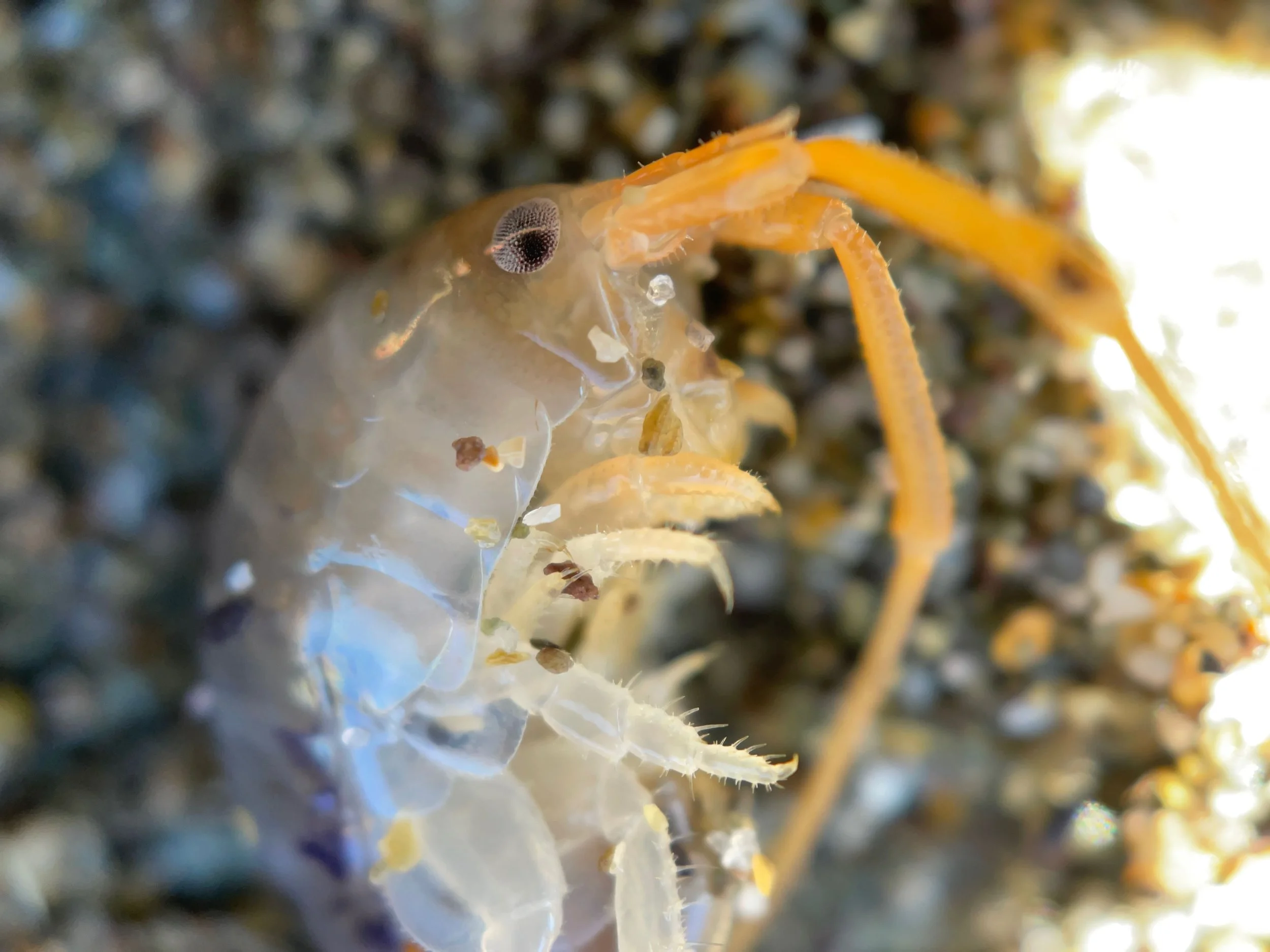
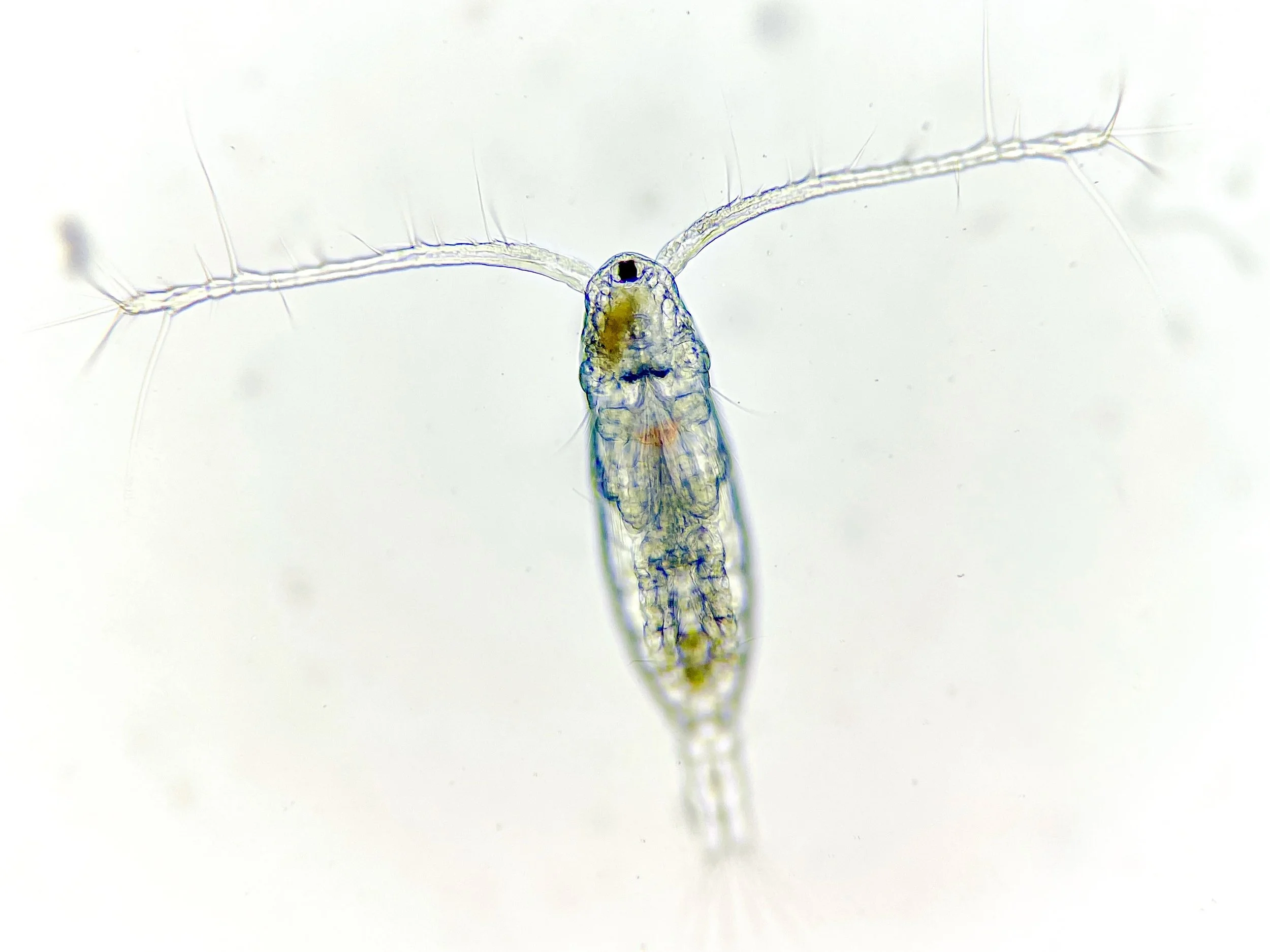
The who — crustaceans as models for information ecology
About this theme
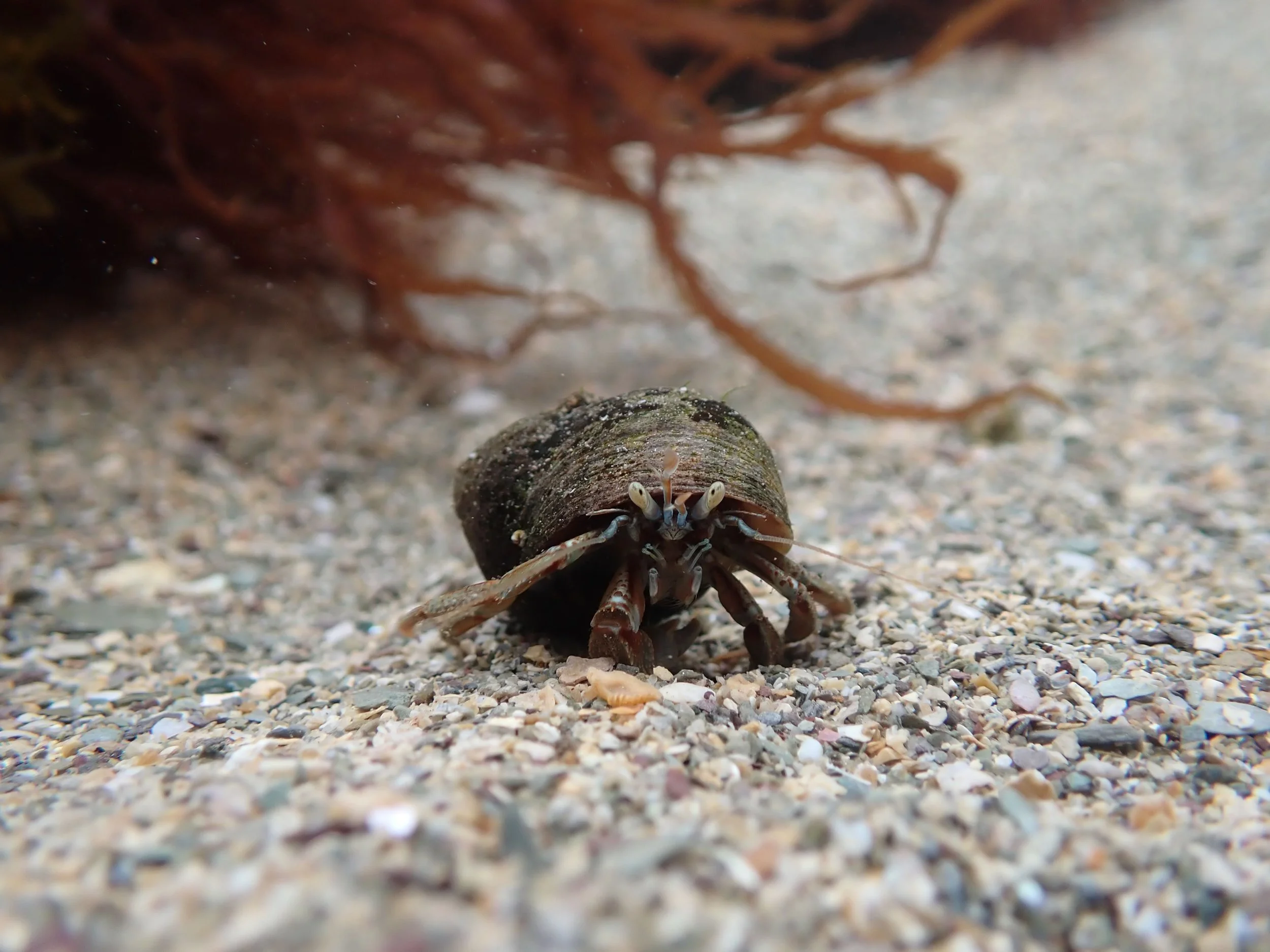
Carcinology — the study of crustaceans — is the biological foundation on which everything else in The Crab Lab is built. When we ask how an animal acquires and uses environmental information, we need to understand the animal itself: its morphology, behaviour, physiology, natural history, and ecological context.
Our primary model organism is the common hermit crab, Pagurus bernhardus — an animal that makes complex decisions about shell selection, competition, and resource use, all based on imperfect environmental information gathered through highly specialised sensory structures. It is a powerful model precisely because its decisions are tractable, observable, and ecologically meaningful.
But carcinology in this lab extends well beyond hermit crabs. We work across the Crustacea asking broader questions about morphological diversity, ecological function, and the natural history of a group that is, by almost any measure, one of the most successful and ecologically important on the planet. Crustaceans dominate marine food webs, engineer habitats, and occupy almost every aquatic environment on earth. Understanding them matters — not just as convenient laboratory models, but in their own right.
That breadth requires rigour at the base. Accurate taxonomy underpins all comparative work, and getting species identification right is a non-negotiable commitment in this lab. But taxonomy is a means, not an end — the end is a deeper understanding of crustacean biology, biodiversity, and ecological significance across the full sweep of the group.
How do the morphology, natural history, and ecology of crustaceans shape their capacity to gather and act on environmental information — and what can they reveal about information ecology more broadly?
How does sensory and morphological diversity across the Crustacea reflect different evolutionary solutions to the same fundamental problem of living in a complex, information-rich environment?

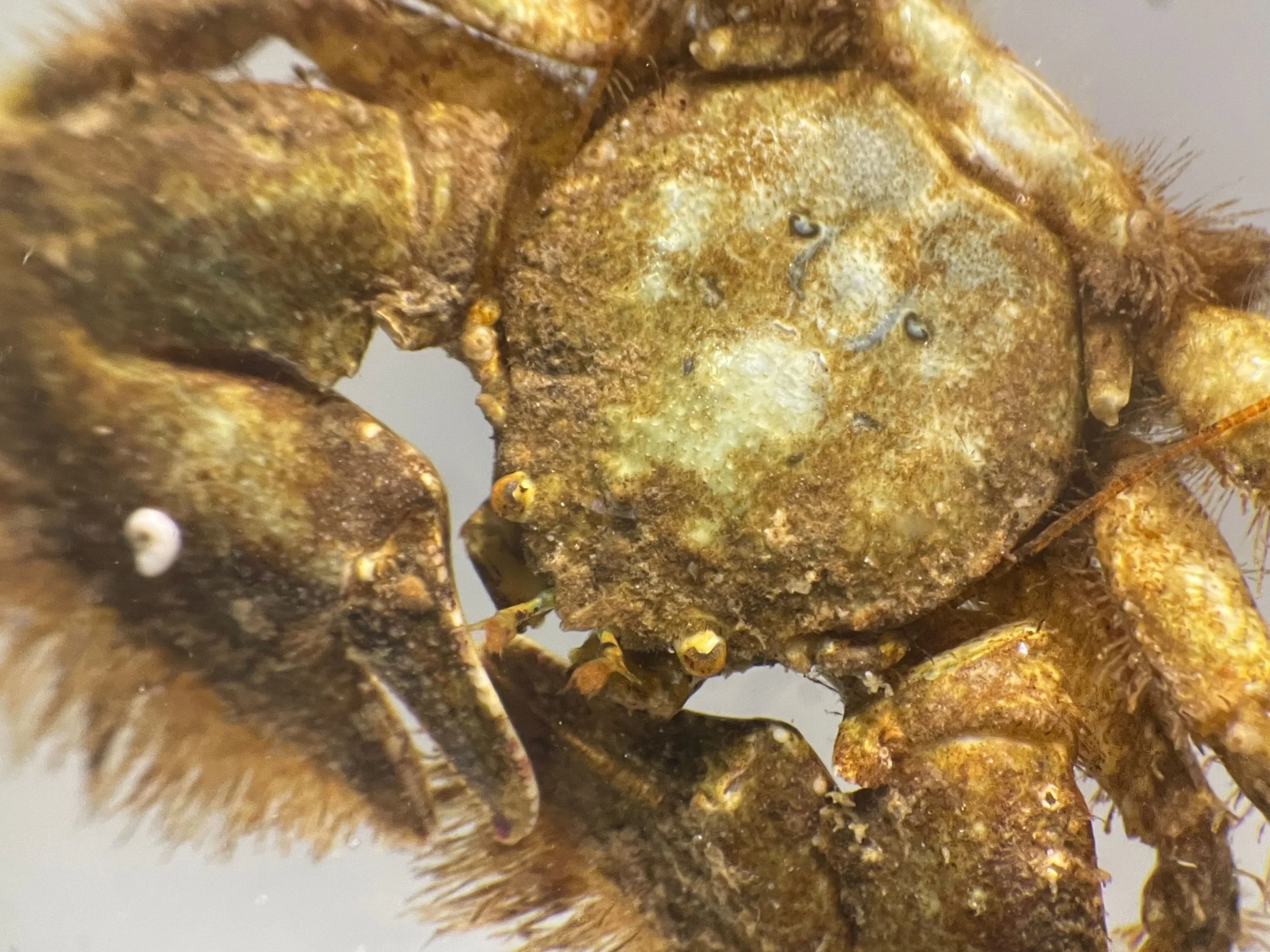
RESEARCH AREAS
Five areas of inquiry
Our carcinology work spans five areas — from the functional consequences of morphological variation to the biology of resource assessment, comparative diversity, evolutionary transitions, and the welfare of animals in captive settings. Each connects back to a deeper understanding of crustaceans as organisms in their own right.
How does variation in body form — within and across species — shape what an animal can do and what it can perceive?
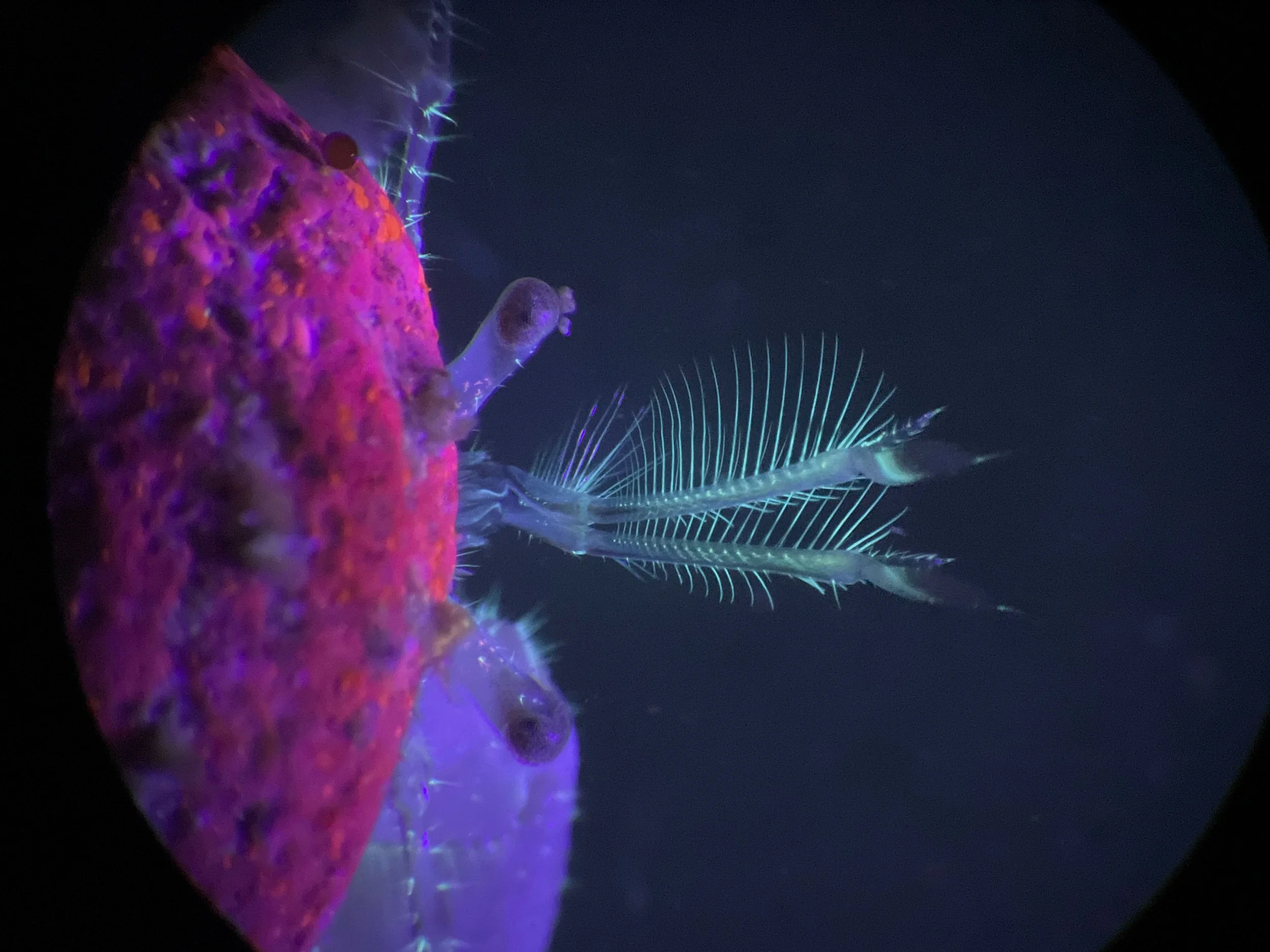
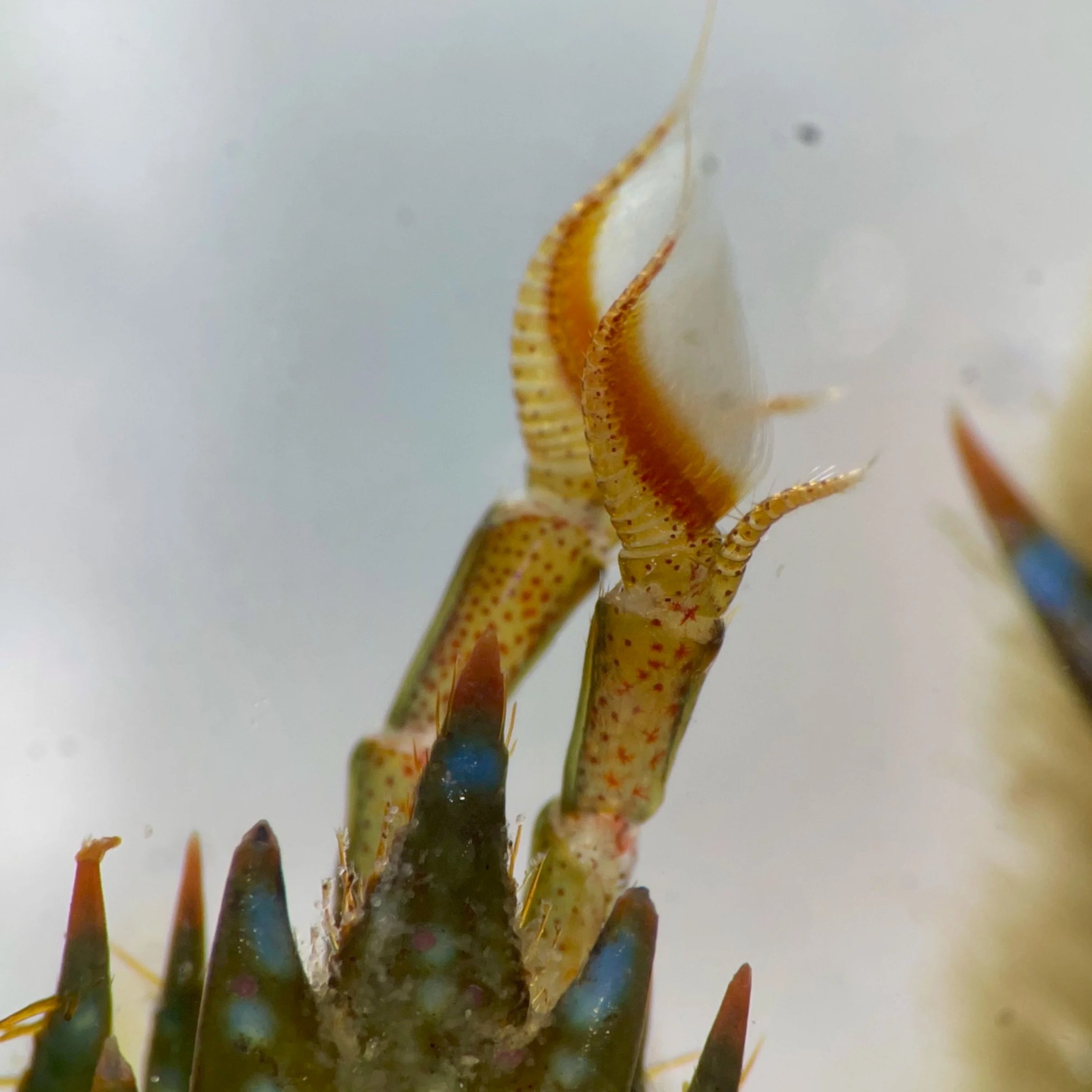
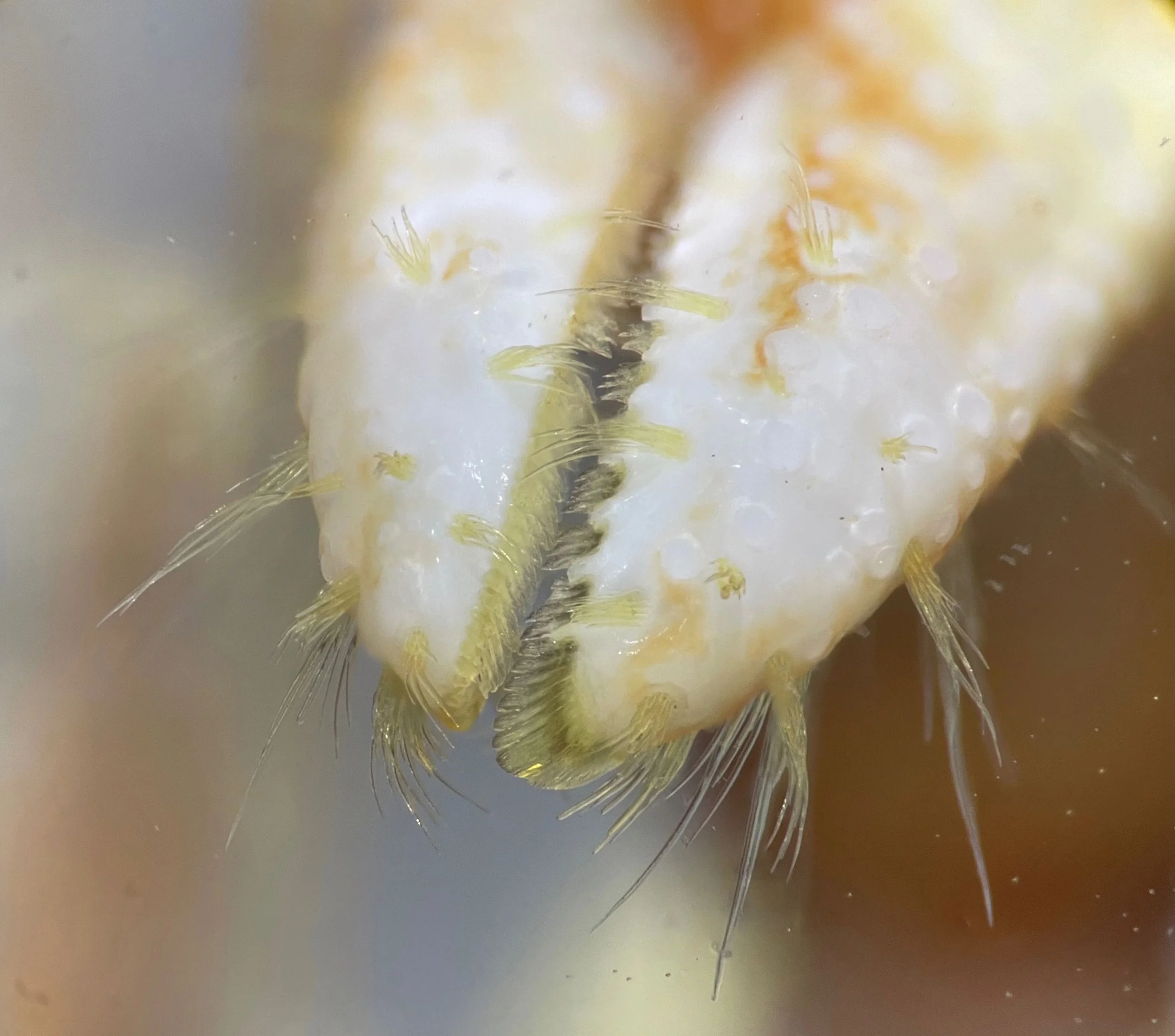
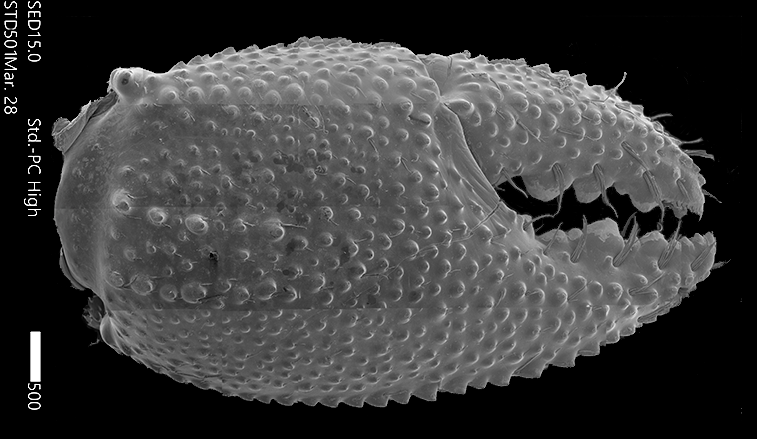
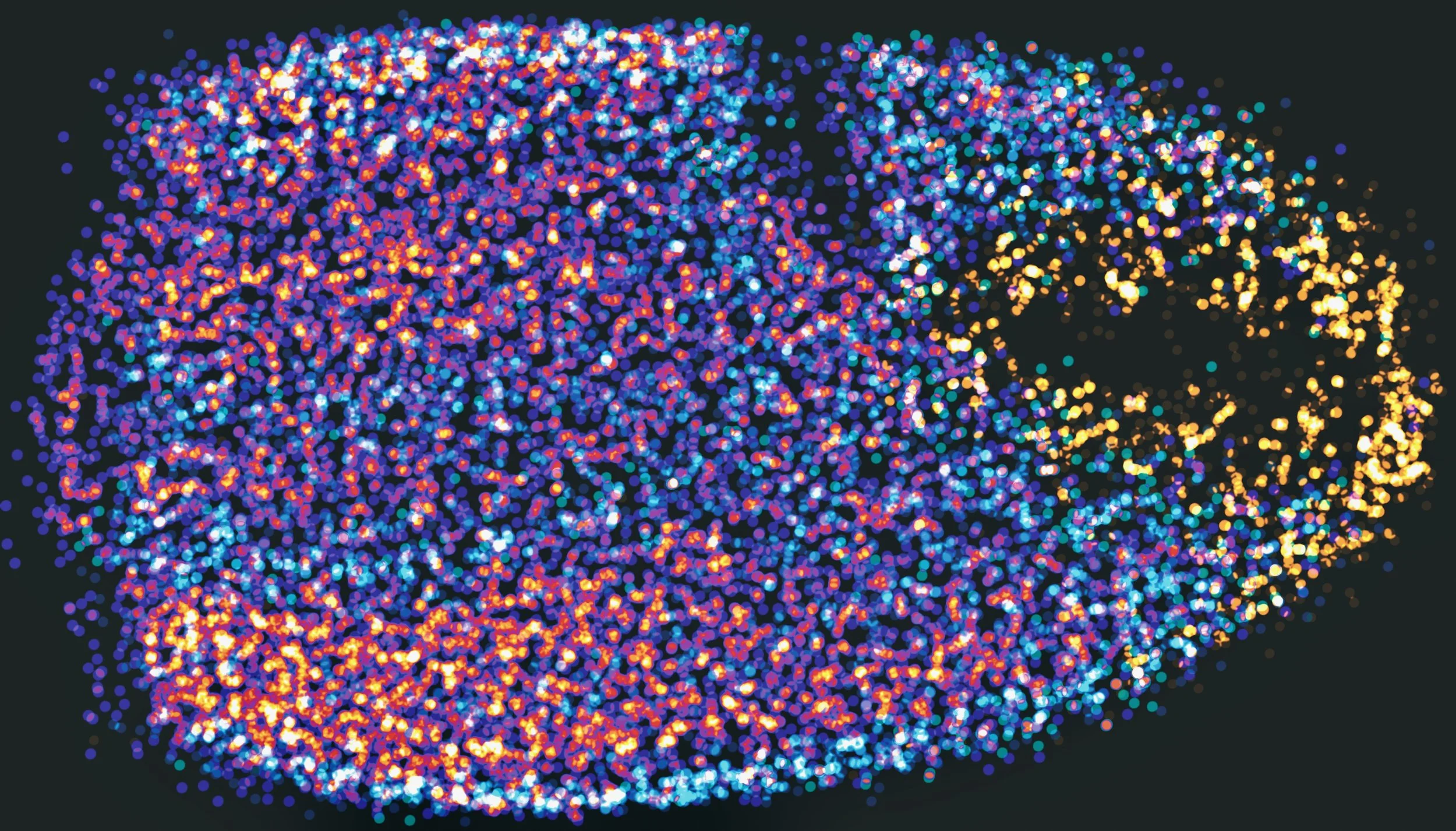
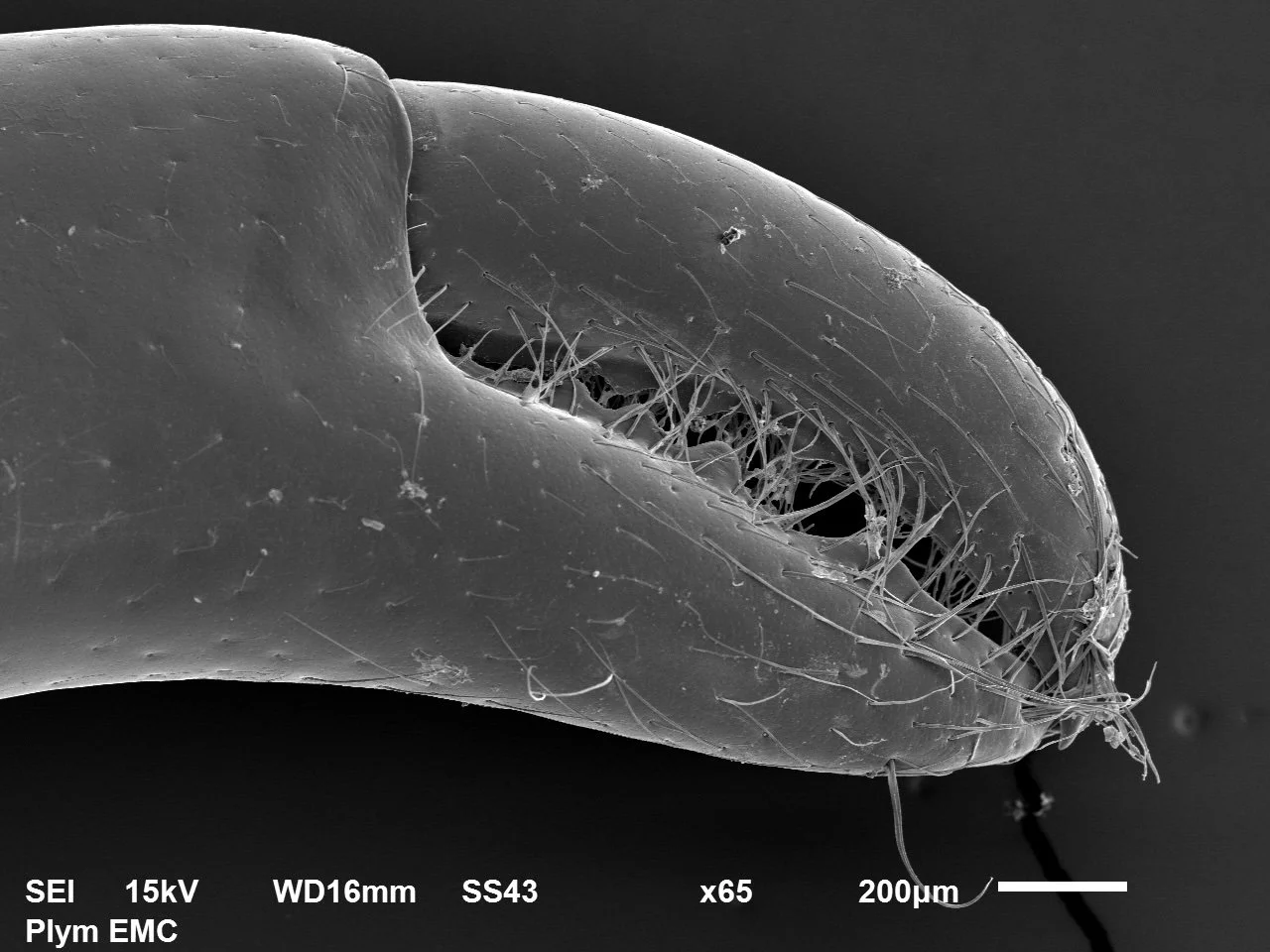
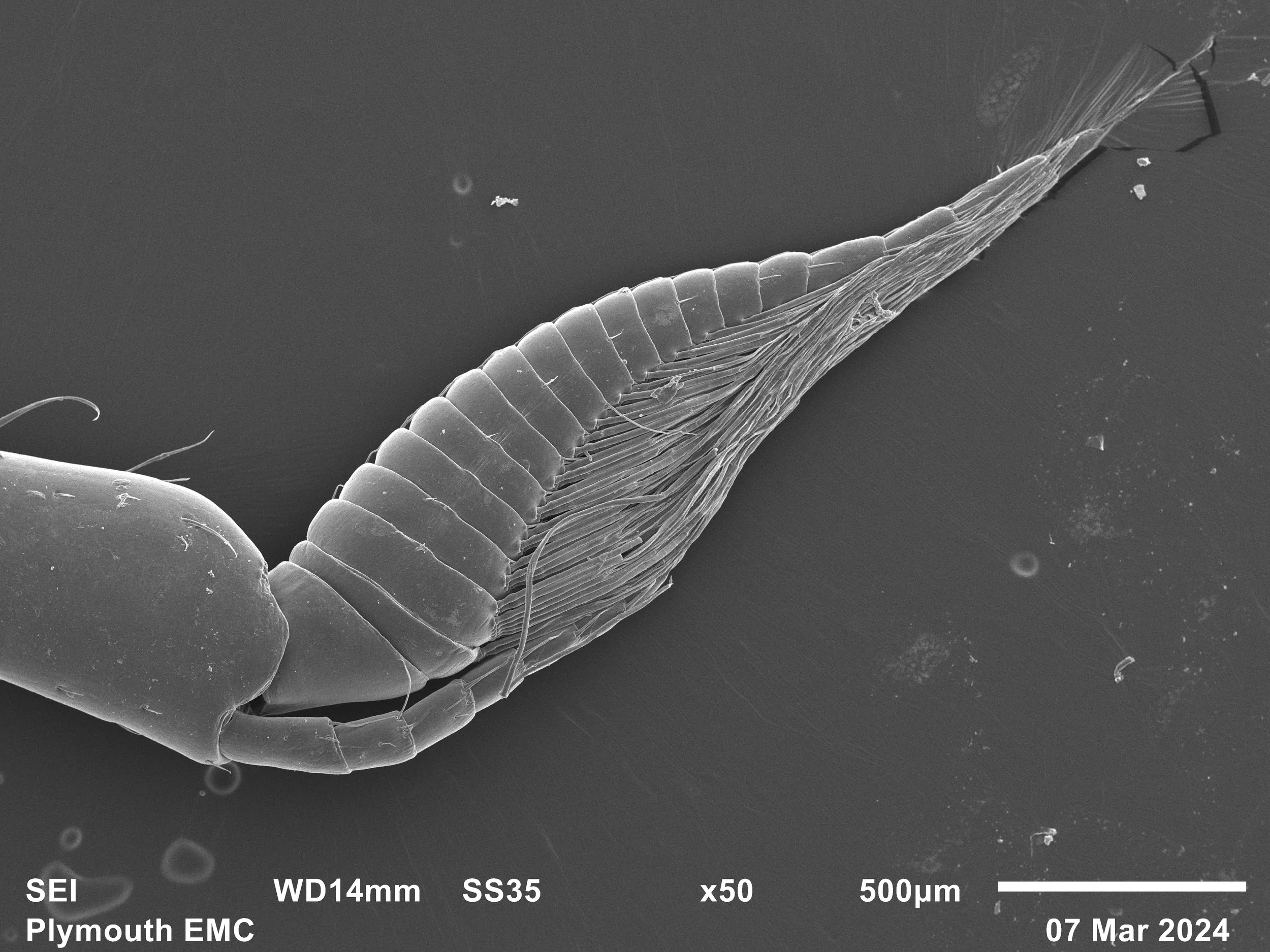
We document and quantify morphological variation across crustacean taxa using imaging and morphometrics — with a particular focus on sexual dimorphism and body asymmetry. In Pagurus bernhardus, we have shown that cheliped sensillation is both heterochelic and sexually dimorphic, with functional consequences for chemosensory detection. Across species, we ask how structural diversity maps onto differences in sensory ability, feeding strategy, competition, and habitat use.
How do crustaceans evaluate, compete for, and make decisions about resources in shifting, unpredictable environments?
Resource assessment — whether of a shell, a food source, a mate, or a shelter site — is a fundamental biological problem that crustaceans solve repeatedly, under competition, time pressure, and sensory constraint. We study how environmental information, individual state, and social context interact to shape assessment behaviour and resource use decisions across the group — from hermit crab shell investigations to broader patterns of habitat choice and competitive interaction.
What can diversity across the Crustacea tell us about the evolution of sensory, morphological, and ecological strategies?
Crustaceans dominate marine food webs, engineer intertidal habitats, and occupy almost every aquatic environment on earth. We work across the group — decapods, isopods, and beyond — asking comparative questions about morphological diversity, sensory architecture, and ecological function. Accurate taxonomy underpins all of this, and is treated as an active scientific commitment in this lab rather than invisible infrastructure.
How do crustacean sensory systems adapt — morphologically and behaviourally — as animals make the transition from aquatic to terrestrial habitats?
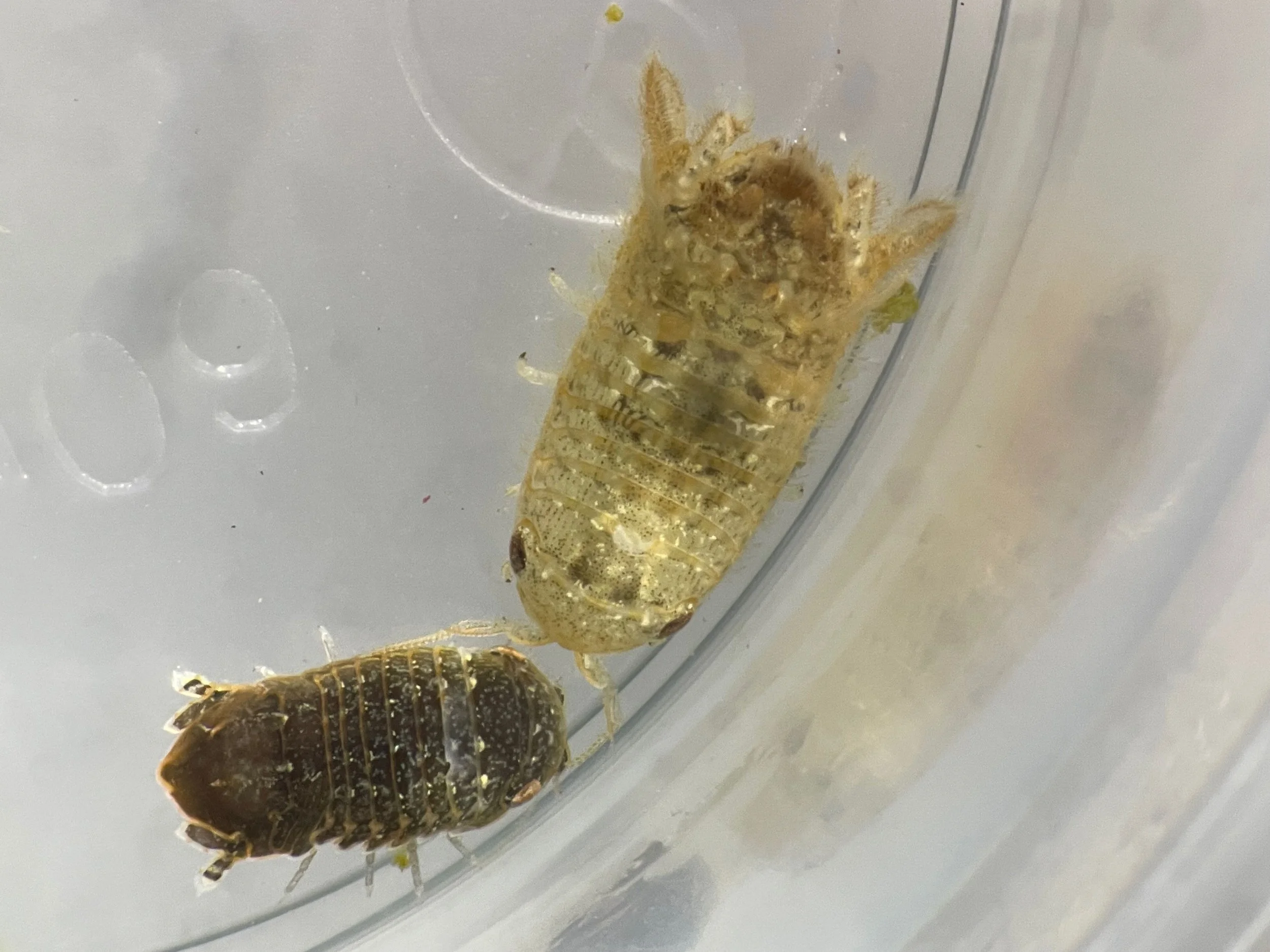
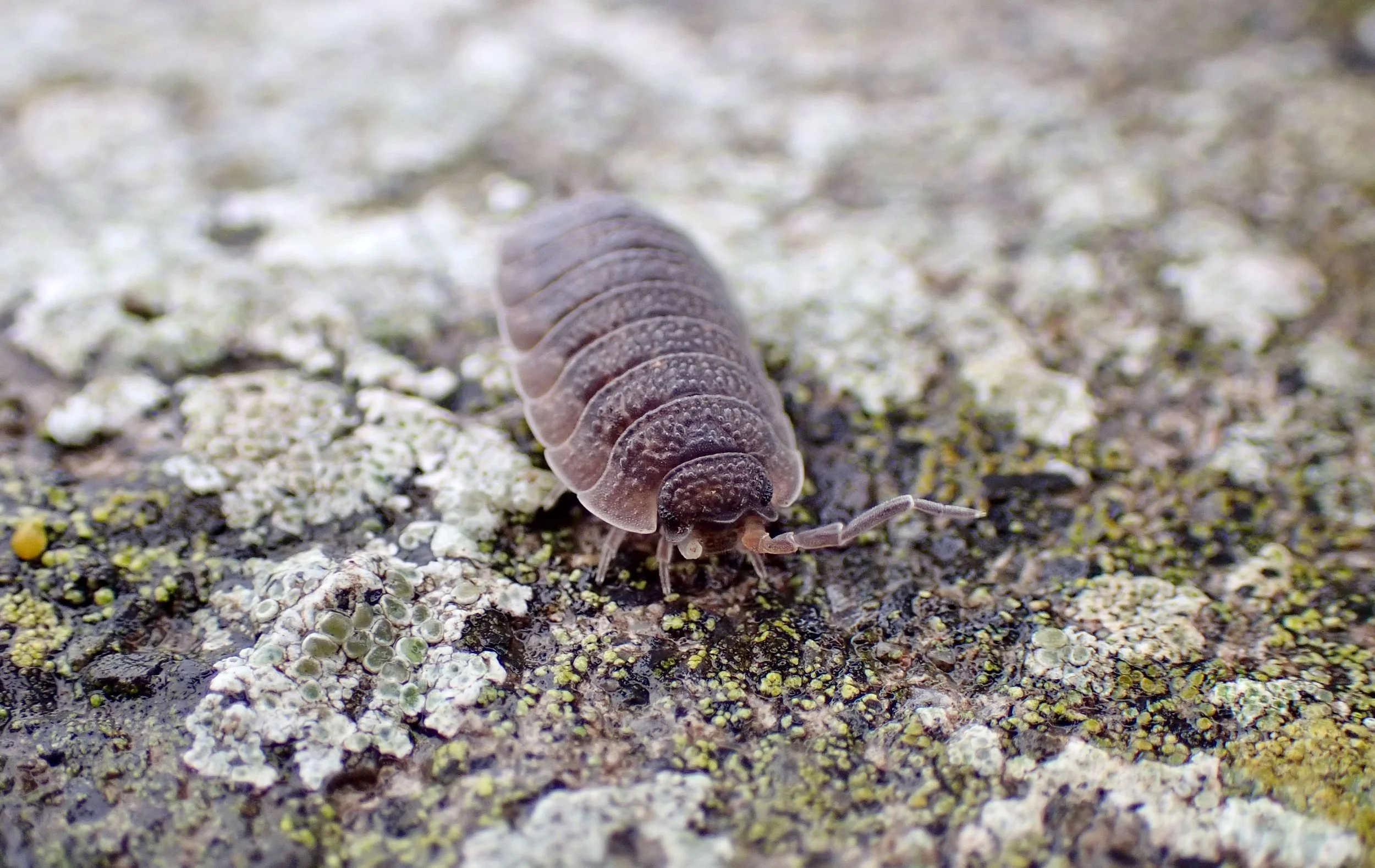
The crustacean invasion of land has happened multiple times independently, making it a powerful natural experiment in sensory evolution. We use isopods and other semi-terrestrial crustaceans to study how sensory structures and behaviours that evolved in water are modified, repurposed, or replaced as animals colonise terrestrial environments — and what this reveals about the flexibility of crustacean sensory systems more broadly.
How do we ensure that crustaceans held in laboratory, aquaculture, and captive settings have their biological needs appropriately met?
Crustacean welfare is an emerging and sometimes contested area — but the question of how to assess and improve the conditions of animals in captivity is a serious scientific one, not just an ethical nicety. We develop and evaluate approaches to welfare and husbandry assessment for crustaceans in laboratory, aquaculture, and display settings — drawing on behavioural, physiological, and sensory indicators of animal state.
This area connects directly to our broader interest in how crustaceans experience and respond to their environment — understanding welfare requires understanding perception, behaviour, and the biology of information use in confined and controlled conditions.
PRIMARY MODEL ORGANISMS
The animals we work with
Our research draws on a range of crustacean species — each chosen for what it reveals about a different aspect of sensory ecology, morphological diversity, or intertidal biology. Pagurus bernhardus is our primary model, but the questions reach across the Crustacea.

Our primary model organism. Abundant on rocky shores throughout the northeast Atlantic, tractable in laboratory conditions, and behaviourally fascinating! An ideal system for studying decision-making, sensory mophological variation, shell selection, and individual variability.

A more southerly species increasingly common in the UK as waters warm, making it a useful comparative model alongside P. bernhardus. Notable for its bright colouration and equal-sized claws, making it valuable for comparative sensory morphology work.
A common intertidal anomuran found under rocks and in crevices on rocky shores. Its dramatically broad, flattened chelipeds make it a compelling subject for comparative morphology and functional ecology work, particularly studies of how body form shapes information gathering and resource use.
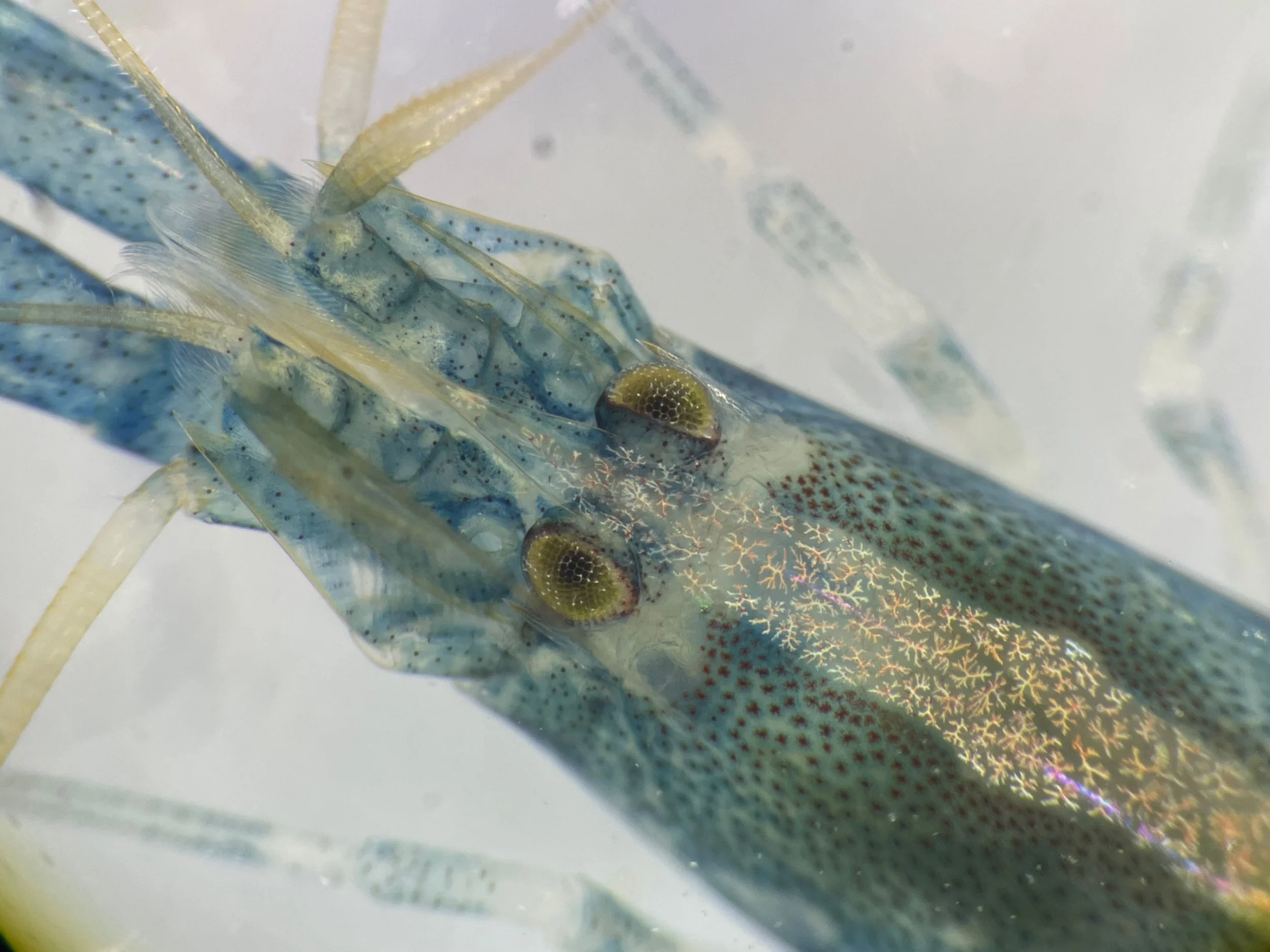
A small intertidal shrimp. Males have a notably asymmetric body plan with one enlarged claw used for snapping. Valuable for comparative work on body asymmetry, sensory morphology, and the functional ecology of small crustaceans in complex microhabitats. Often overlooked but ecologically important in the low intertidal.
ACTIVE PROJECTS
Current carcinology work
Projects currently underway — open to student involvement and collaboration enquiries.
Sensory biology is the lab's most productive current research area — spanning sensilla morphology, antennular attention, microfibre disruption, individual variation, and perceptual awareness. Several projects are currently underway with recent publications in Animal Behaviour, Proc. Royal Society B, Journal of Morphology, and Environmental Pollution.
Crustaceans can regrow lost limbs — but what happens to sensory capacity during and after regeneration? We are documenting the full regeneration cycle: the timeline and staging of regrowth across many individuals, and the recovery of sensilla on regenerating appendages. Both the morphological progression and the functional sensory consequences of limb loss and repair are under investigation.
Many crustaceans carry hitchhikers — barnacles, worms, hydroids, and other organisms that colonise shells and body surfaces. We are investigating how epibiont cover affects host behaviour and sensory capacity, and specifically how epibionts on shells may provide camouflage that reduces predation risk — linking symbiosis to predation avoidance in a single integrated system.
Does reproductive investment alter how female hermit crabs assess and respond to risk? We are examining whether egg number in brooding females predicts changes in boldness, risk aversion, and resource assessment decisions — asking whether carrying more eggs makes a female more or less cautious, and what this reveals about the link between life history and information use under threat.
Human activity introduces novel stressors into marine environments — from microfibres and microplastics to acoustic pollution, light pollution, and heavy metals. We study how these disruptions affect crustacean biology, behaviour, and sensory function — connecting our basic sensory and carcinology work to pressing questions about the consequences of environmental change for marine invertebrates.
Alongside our research programmes, we actively develop and evaluate improvements to crustacean husbandry in laboratory, aquaculture, and display settings — testing welfare indicators, enrichment approaches, and housing protocols. Good husbandry is not just an ethical commitment; it produces better science by ensuring animals are in appropriate physiological and behavioural condition.
METHODS & APPROACHES
From rock pools to results
We combine field observation, laboratory experiment, and quantitative analysis — always starting with the animal in its natural context before moving to controlled conditions. Methods are chosen to fit the question, not the other way around.
Intertidal fieldwork
Comparative functional ecology
Morphometrics
Ecotoxicology assays
Ecophysiology assays
Welfare indicator development
Shell selection assays
Behavioural tracking
Epibioses
SEM imaging
Limb regeneration
Sensory manipulations
Repeated measures analysis
Methods development
Mixed-Effects Models
Bayesian Approaches
PUBLICATIONS
Carcinology outputs
MEDIA CENTRE
Captivating Crustaceans
Bubbles!
One of our favourite videos recorded in the lab. Video footage from our lab: Pagurus bernhardus ‘enjoying’ bubble time!!
● VIDEO